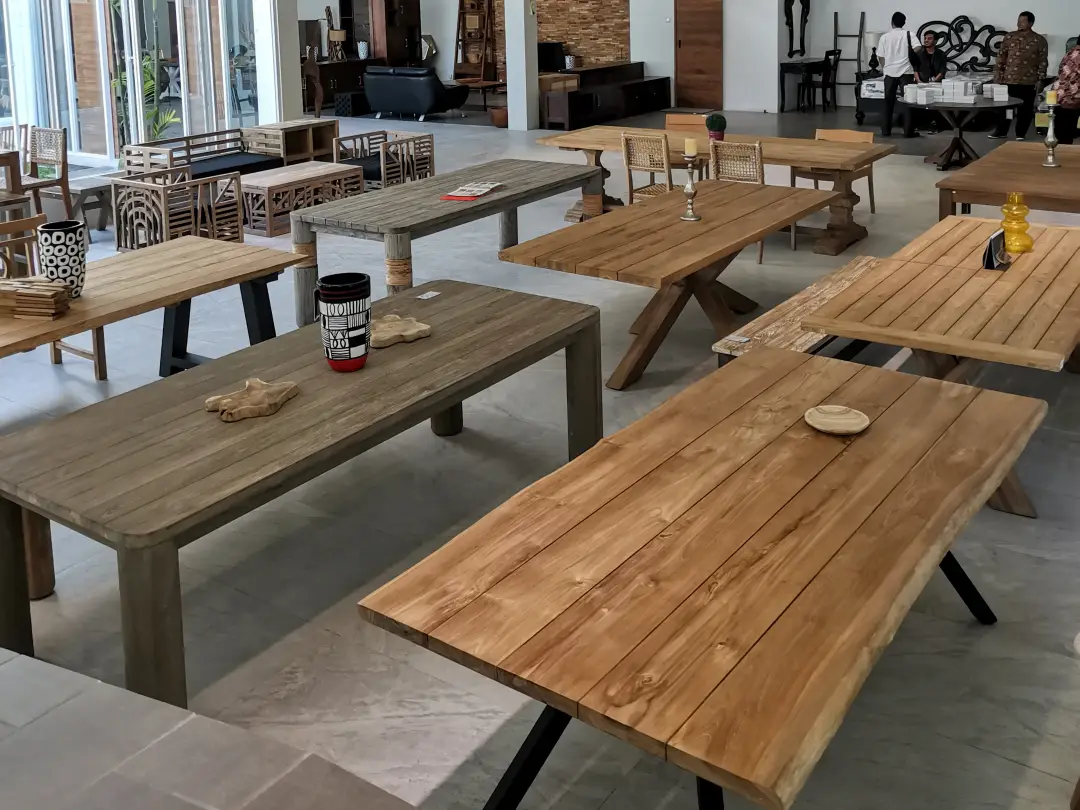
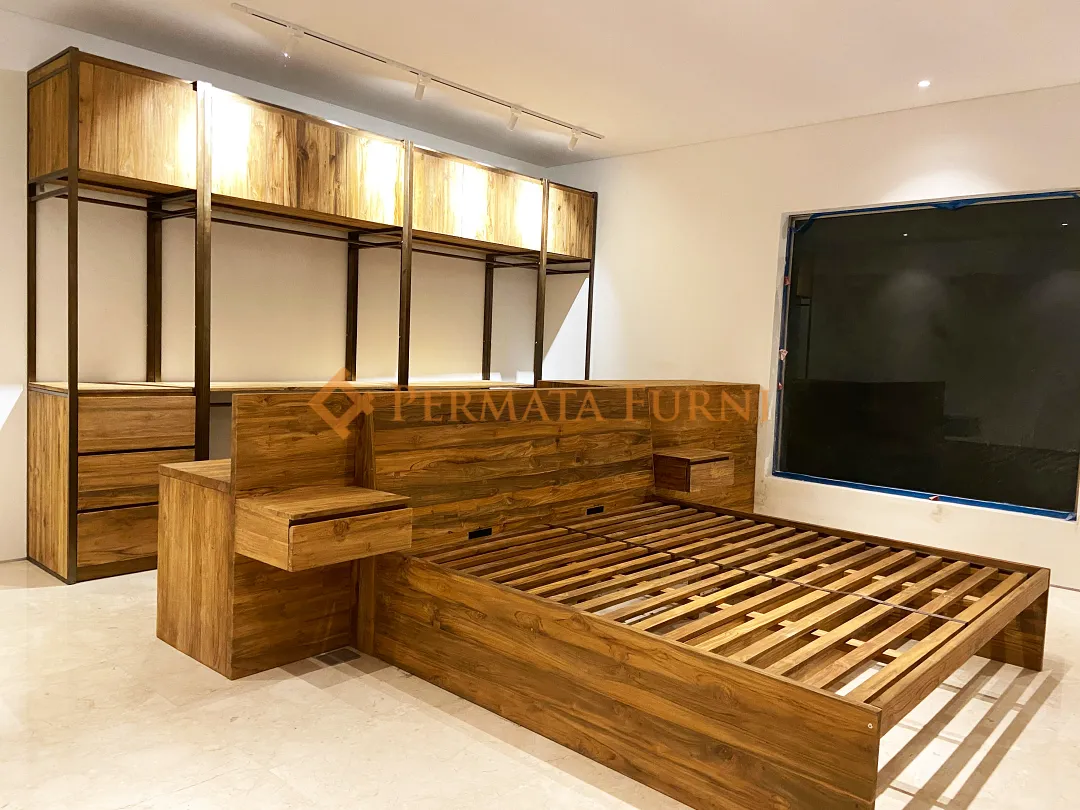
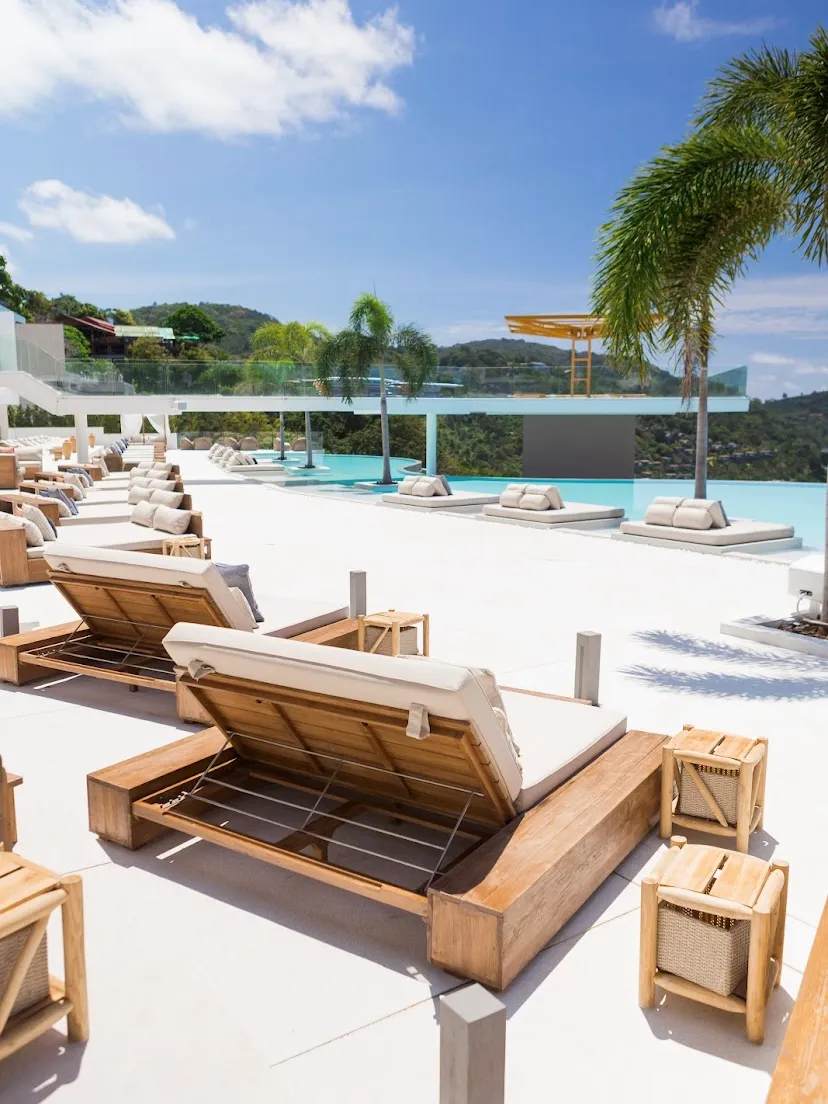
Commercial outdoor furniture must meet higher standards than residential products. Hotels, resorts, restaurants, and public spaces require furniture that performs under constant use, extreme weather, and strict brand expectations. Material choice, construction method, and supplier capability determine long term value.
Reclaimed teak wood has become a strategic material for commercial outdoor applications. It offers structural stability, weather resistance, and a strong sustainability narrative. Businesses that invest in commercial grade teak furniture reduce replacement cycles and maintenance costs.
Teak contains natural oils that protect the wood from moisture, insects, and decay. These properties make it stable in humid, tropical, coastal, and high rainfall environments. Commercial operators benefit from this durability because outdoor furniture faces daily exposure to sun, rain, and temperature changes.
Reclaimed teak provides additional advantages. The wood has already undergone natural seasoning over decades of use. This aging process reduces internal stress and minimizes cracking or warping. Manufacturers that use properly processed reclaimed teak can deliver consistent quality for large scale commercial projects.
For hospitality projects, consistency is critical. Every chair, table, and lounger must meet uniform specifications. Precision kiln drying, moisture control, and standardized joinery ensure that bulk orders maintain structural integrity.
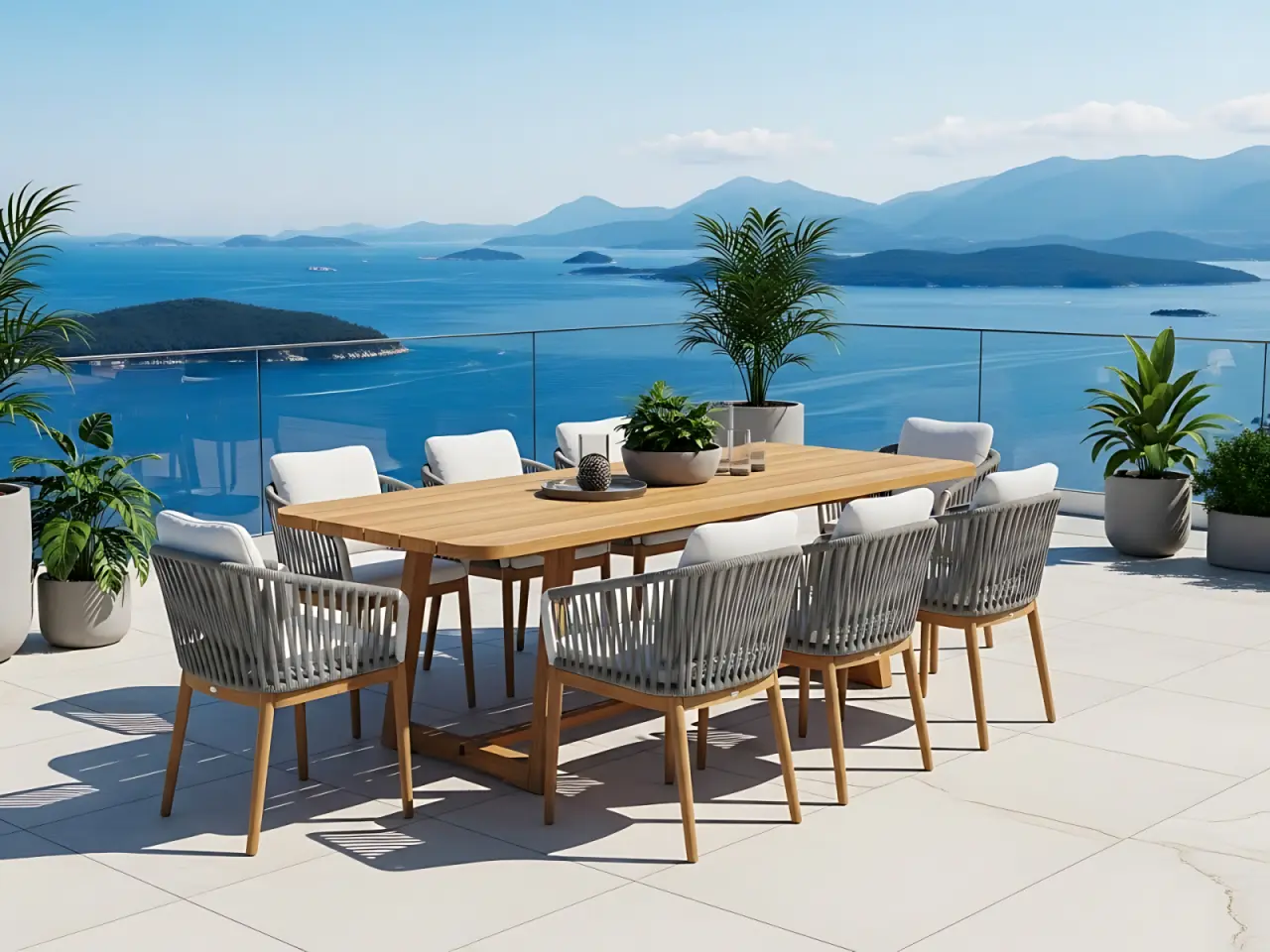
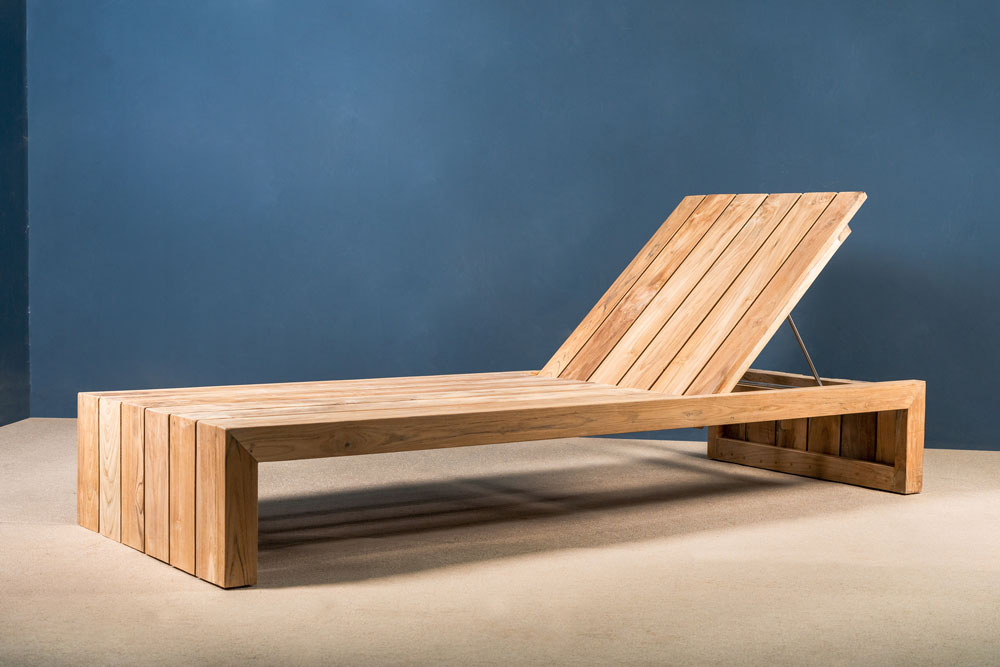
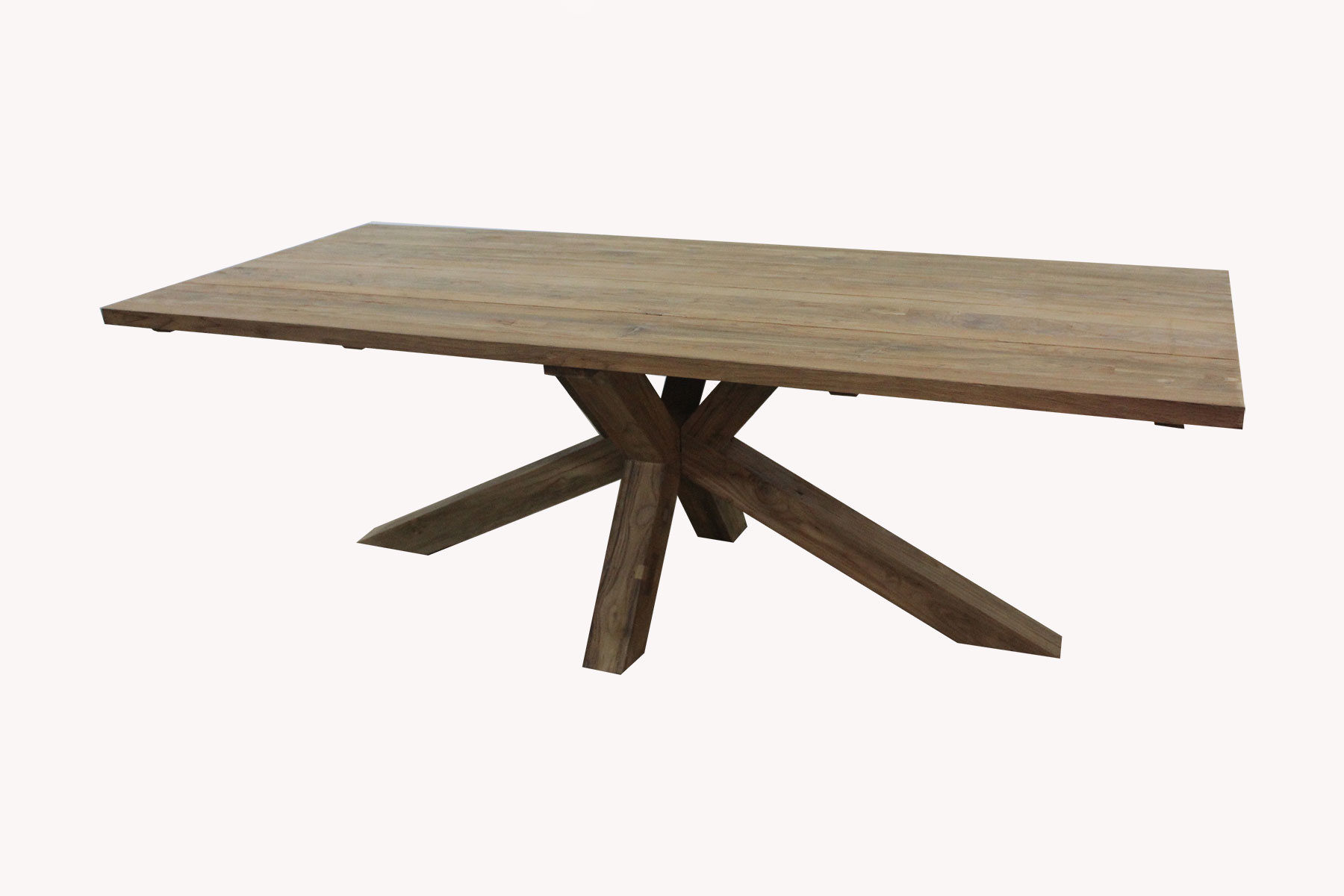
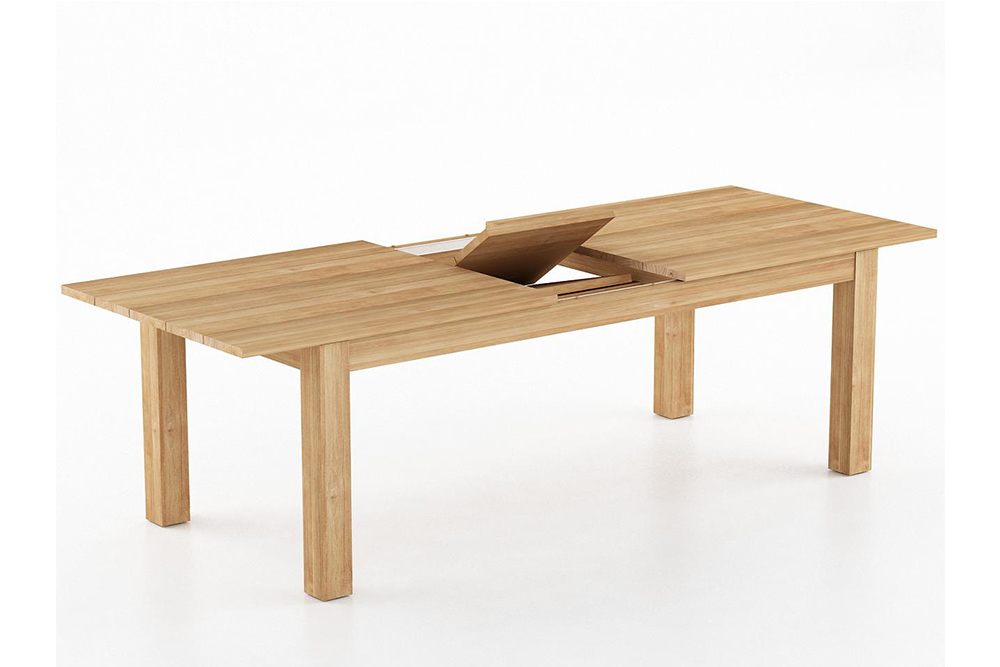
Commercial outdoor collections typically include:
Each product category must meet functional and operational requirements. For example, dining chairs in restaurants must support repeated stacking and movement. Sun loungers must withstand pool chemicals and constant sun exposure. Outdoor sofas must resist mold growth and moisture penetration.
Manufacturers should reinforce load bearing components using mortise and tenon joinery or equivalent structural techniques. Stainless steel hardware improves corrosion resistance in coastal environments.
Commercial outdoor furniture design must align with brand identity. Luxury resorts often request minimalist forms with clean lines. Boutique hotels may prefer rustic textures that highlight reclaimed teak character. Beach clubs require lighter silhouettes for easy repositioning.
Design teams should consider the following technical factors:
Outdoor cushions also require commercial grade fabric. Solution dyed acrylic fabrics resist fading and mildew. Quick dry foam prevents water retention and shortens drying time after rain.
Sustainability has become a measurable requirement in hospitality procurement. Many international hotel brands integrate environmental standards into their supply chain policies. Reclaimed teak furniture supports these goals by reducing demand for newly harvested timber.
Using recycled materials lowers carbon impact and supports circular production models. Businesses can communicate this value to guests through sustainability reporting and marketing materials.
However, sustainability claims must be verifiable. Reputable manufacturers should provide documentation on sourcing, processing methods, and compliance with export regulations.
Large commercial projects require scalable production capacity. A qualified manufacturer should demonstrate:
Export ready suppliers must comply with international fumigation standards and container loading protocols. Proper packaging reduces transit damage and protects furniture from humidity during shipment.
Buyers should request product specifications, moisture content reports, and finishing details before confirming orders. Site visits or third party inspections strengthen quality assurance.
Even durable teak furniture requires a maintenance plan. Operators can choose between two finishing approaches:
Hotels and Resorts
These properties require cohesive collections for pools, gardens, terraces, and dining areas. Furniture must balance aesthetics with heavy usage.
Restaurants and Cafes
Outdoor dining furniture must support high turnover and daily cleaning routines. Stable construction and easy maintenance are essential.
Beach Clubs
Furniture must tolerate sand, salt air, and constant sun exposure. Lightweight yet sturdy construction improves operational efficiency.
Public Spaces
Parks and commercial complexes require vandal resistant design and reinforced structure.
Each sector presents different load requirements and environmental conditions. Manufacturers should adapt material thickness, joinery, and finishing according to project needs.
Commercial clients often request customized dimensions, finishes, or fabric colors. A capable manufacturer should provide technical drawings and sampling before mass production.
Customization may include:
Clear communication between buyer and factory reduces production errors. Detailed purchase orders with technical specifications prevent misunderstandings.
Before selecting a supplier, buyers should assess:
A supplier that understands hospitality standards will anticipate operational concerns. They will propose practical solutions rather than purely aesthetic designs.
Commercial outdoor furniture represents a long term capital investment. Material quality, manufacturing precision, and supplier reliability determine return on investment. Reclaimed teak offers structural durability and sustainability benefits that align with modern hospitality demands.
Businesses that select experienced manufacturers secure consistent quality, export compliance, and scalable production. Careful evaluation of design, construction, and maintenance strategy ensures outdoor spaces remain functional, durable, and aligned with brand standards.
From the heart of Indonesia to the world. Permata Furni delivers exceptional FSC certified reclaimed teak furniture with trusted export expertise. Permata Furni: Your trusted Indonesian Teak Funiture manufacturer and exporter. Order Now!