
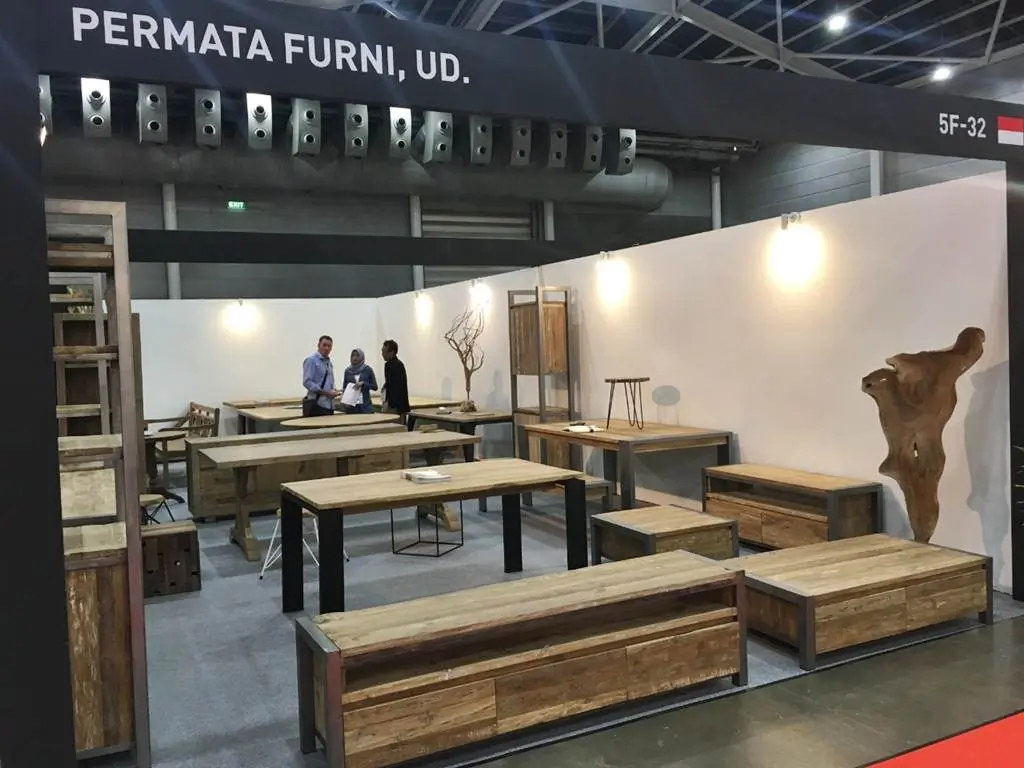
This guide is written for importers, retailers, and hospitality buyers who are evaluating Indonesia as a source for teak furniture. It covers the practical side of the process — HS codes, customs duties by market, shipping routes and transit times, documentation requirements, and what to look for in a supplier — with specific reference to reclaimed teak, the dominant product category exported by RecycleTeak from Semarang, Central Java.
Indonesia is the world’s primary source of both new and reclaimed teak furniture. The country’s manufacturing infrastructure — particularly in Central Java — combines skilled craftspeople, established sawmill operations, and direct port access at Tanjung Emas, Semarang. This allows landed cost structures that are difficult to achieve sourcing from intermediaries in Europe, Australia, or the US.
For importers specifically interested in reclaimed teak, Indonesia holds a further structural advantage: Java contains the largest stock of aged structural teak in the world, salvaged from decommissioned bridges, railway sleepers, warehouses, and colonial-era buildings. This material — 60 to 150 years old at the point of salvage — has measurably higher density and natural oil content than plantation-grown teak of any age, and it carries a zero-new-deforestation provenance claim that matters increasingly to end buyers in European and Australian markets.
The Indonesian teak furniture market supplies both reclaimed and plantation-grown material. Understanding the difference matters for pricing, quality expectations, and positioning to your end customers.
| Factor | Reclaimed Teak | Plantation Teak |
|---|---|---|
| Age at production | 60–150+ years | 15–25 years |
| Natural oil content | High — inherent weather resistance | Low to moderate — surface treatment dependent |
| Dimensional stability | Excellent — fully seasoned | Moderate — risk of movement in low-humidity markets |
| Visual character | Unique patina, tight grain, natural marking | Uniform, consistent appearance |
| Deforestation claim | Zero new trees felled | Plantation-grown — no old-growth impact |
| Typical price point | Higher — premium material | Lower — volume commodity |
| Best for | Hospitality, premium retail, contract | Mid-market retail, volume residential |
Teak furniture is classified under Chapter 94 of the Harmonised System. The correct subheading depends on the product type. The most commonly used codes for Indonesian teak furniture imports are:
| HS Code | Description | Typical Products |
|---|---|---|
| 9403.60 | Other wooden furniture | Dining tables, chairs, benches, sideboards, coffee tables |
| 9403.30 | Wooden furniture for offices | Desks, shelving units, filing furniture |
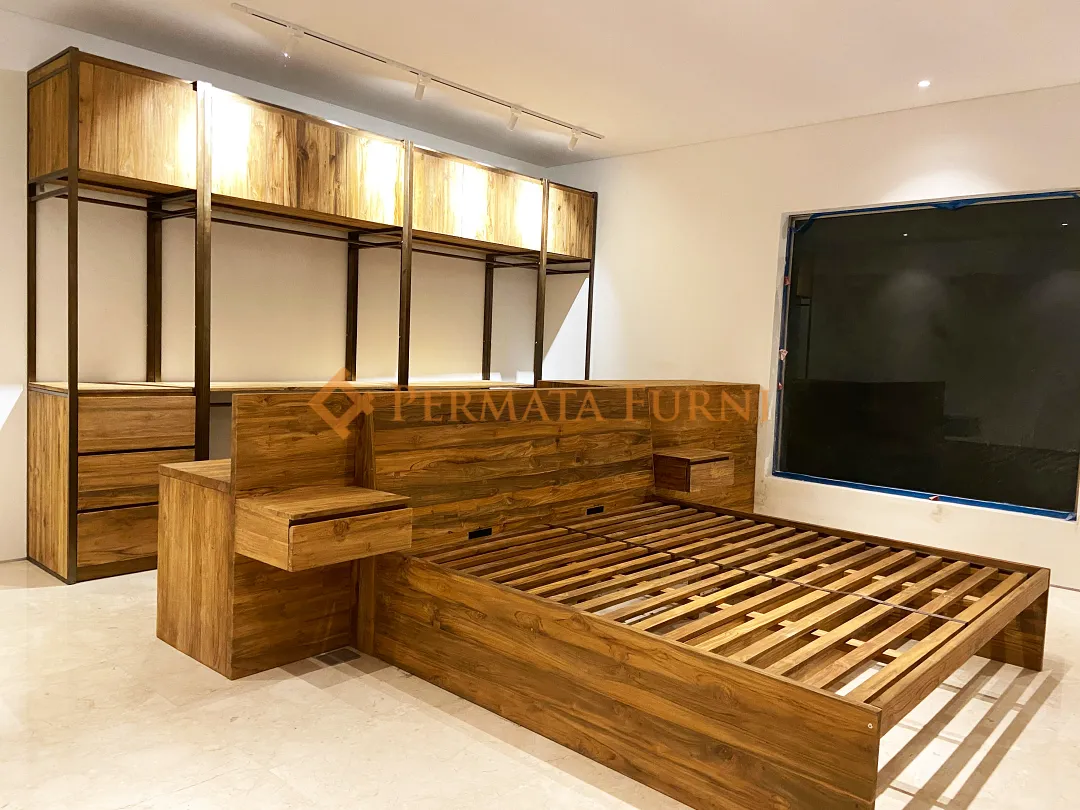
| 9403.50 | Wooden furniture for bedrooms | Beds, wardrobes, bedside tables, dressers |
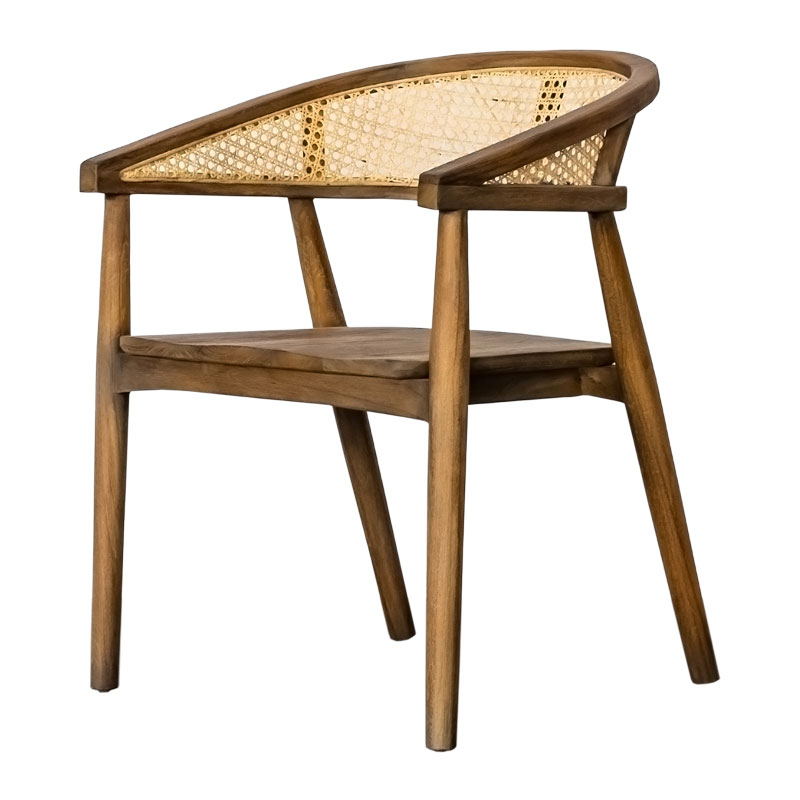
| 9401.69 | Other seats with wooden frames | Dining chairs, lounge chairs, bar stools |
| 9402.10 | Medical / dental furniture | Not applicable for teak |
Always confirm the correct 8 or 10-digit subheading with your customs broker in the destination country, as national tariff schedules may further subdivide Chapter 94 headings. Misclassification is one of the most common causes of customs delays on furniture shipments.
Duty rates on Indonesian wooden furniture vary by destination. Indicative most-favoured-nation (MFN) rates as a starting point — confirm current rates with your customs broker before placing orders, as these change with trade agreements:
| Market | Indicative MFN Duty (HS 9403.60) | Notes |
|---|---|---|
| European Union | 2.7% | Indonesia benefits from EU GSP (Generalised Scheme of Preferences) — duty may reduce to 0% with Form A certificate of origin |
| United Kingdom | 2.7% | UK DCTS (Developing Countries Trading Scheme) may apply — check current rates post-Brexit |
| Australia | 0% | Indonesia-Australia CEPA (IA-CEPA) eliminates duty on furniture |
| United States | 0% | MFN rate for wooden furniture from Indonesia is 0% under most HS 9403 subheadings |
| UAE / Gulf | 5% | Standard GCC customs union rate; no FTA with Indonesia currently |
VAT or GST is applied separately at import and is recoverable for registered businesses. Customs duty is typically calculated on CIF (Cost + Insurance + Freight) value, not FOB value — factor this into your landed cost calculations.
RecycleTeak ships FCL and LCL containers from Tanjung Emas Port, Semarang. Indicative transit times to major destination ports:
| Destination Port | Transit Time (FCL) | Typical Routing |
|---|---|---|
| Rotterdam, Netherlands | 22–28 days | Via Singapore or Port Klang transshipment |
| Felixstowe, UK | 24–30 days | Via Singapore or Colombo transshipment |
| Barcelona / Valencia, Spain | 25–32 days | Via Singapore + Suez Canal routing |
| Fremantle (Perth), Australia | 10–14 days | Direct or via Singapore |
| Melbourne, Australia | 12–16 days | Via Singapore transshipment |
| Jebel Ali, Dubai (UAE) | 14–18 days | Via Singapore or Colombo |
| Los Angeles, USA | 20–26 days | Via Singapore + transpacific routing |
Transit times are port-to-port and exclude inland haulage at destination. LCL shipments add 3–7 days for consolidation and deconsolidation at the CFS (container freight station). All transit times are indicative — confirm with your freight forwarder at the time of booking.
The following documents are standard for a teak furniture shipment from Indonesia. RecycleTeak provides all supplier-side documents; buyer-side documents are the importer’s responsibility.
| Document | Provided by | Purpose |
|---|---|---|
| Commercial Invoice | Supplier (RecycleTeak) | Declares goods, value, and parties for customs |
| Packing List | Supplier | Item-by-item carton content, weights and CBM |
| Bill of Lading (B/L) | Shipping line | Title document for the shipment |
| Certificate of Origin (Form A / SKA) | Supplier + Indonesian trade authority | Required for GSP/DCTS preferential duty rates in EU/UK |
| Pre-Shipment Inspection Report | Supplier (or third-party SGS/BV) | Quality verification before container sealing |
| Fumigation Certificate | Supplier / fumigation company | Required by Australia, New Zealand, and some other markets for wooden packaging |
| Import Declaration / Customs Entry | Importer / customs broker | Filed at destination by importer’s customs broker |
| Insurance Certificate | Importer (CIF) or freight forwarder | Marine cargo insurance for transit |
In most major markets (EU, UK, USA, Australia), no special import licence is required for wooden furniture. However, some markets require a timber legality declaration or due diligence documentation for wood products. The EU Timber Regulation (EUTR) and its successor the EU Deforestation Regulation (EUDR) require importers to demonstrate due diligence on timber supply chains. Reclaimed teak from RecycleTeak is sourced from salvaged structures with documented provenance — we can provide sourcing documentation to support EUDR compliance.
MOQ is 20 units per SKU for stock items. First shipments can mix multiple SKUs in one container or LCL. Many first-time importers start with an LCL shipment (typically half a container equivalent) to test product quality and market response before committing to full FCL volumes.
Landed cost = FOB price + ocean freight + destination port charges + customs duty (on CIF value) + import VAT/GST (recoverable) + inland delivery. As a rough guide for a 40ft HC container from Semarang to Northern Europe, allow approximately USD 2,500–3,500 for ocean freight (market-rate dependent), plus 2.7% duty on CIF value if Certificate of Origin is not available, or 0% with EU GSP Form A.
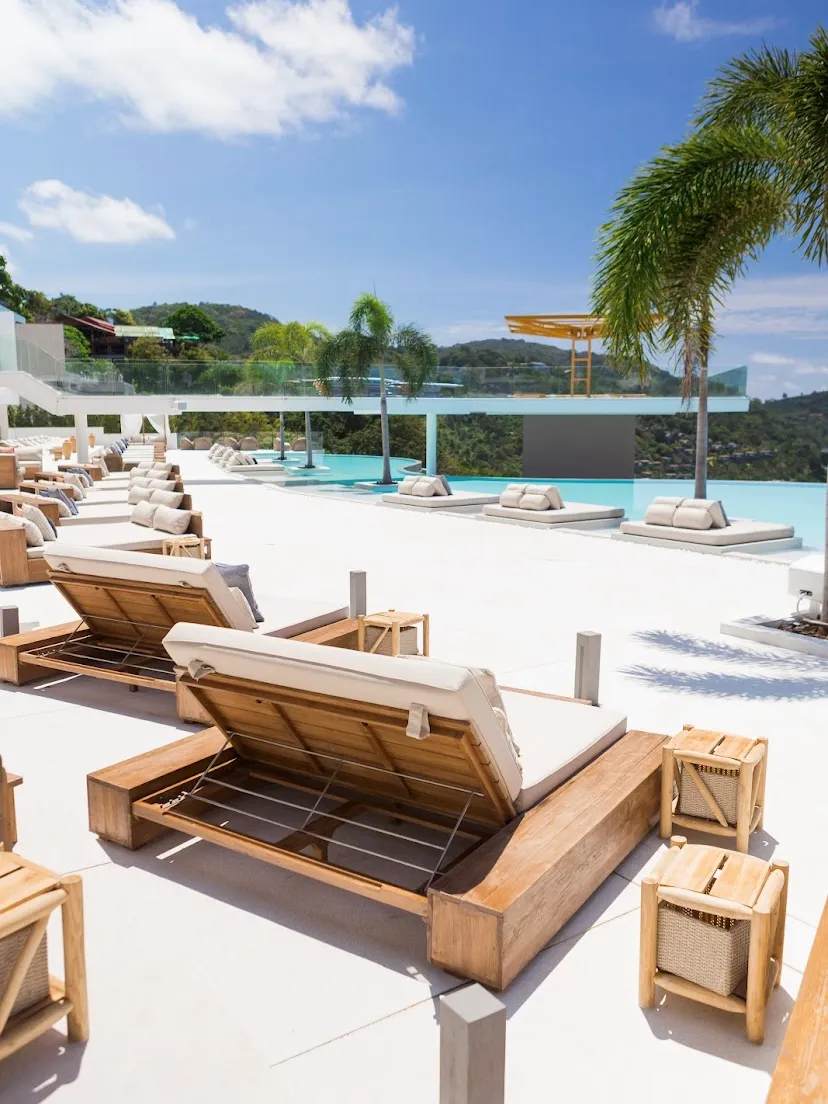
Most furniture shipments use 40ft High Cube (HC) containers — 76.4 CBM usable capacity. Standard 20ft containers (33 CBM) are used for smaller orders. For reference, a 40ft HC typically fits 40–60 dining chairs, 20–30 dining tables, or 25–35 sun loungers depending on knockdown vs. assembled packaging. We provide container fill calculations with every quotation so you can optimise cube utilisation before ordering.
Yes. We ship FOB Semarang (Tanjung Emas Port), meaning your freight forwarder takes responsibility from the point of loading. We work with the buyer’s nominated forwarder or can recommend established freight partners with experience on the Semarang–Europe and Semarang–Australia lanes.
For stock items: 30–45 days production + 10–30 days transit depending on destination = approximately 6–11 weeks total. For custom specification items: 45–60 days production + transit time = 8–13 weeks total. These are ex-factory timelines — add customs clearance time at destination (typically 3–7 working days for a straightforward shipment with complete documentation).
For a full overview of our wholesale programme and order terms, visit our reclaimed teak furniture wholesale page. For manufacturer credentials and production process, see our B2B teak furniture wholesale page. For hospitality and project enquiries, see our reclaimed teak furniture for hospitality guide. For FF&E-grade contract production for hotel and resort rollouts, see our contract furniture manufacturer Indonesia page. For our zero-deforestation sourcing approach, see our sustainable teak furniture manufacturer overview.
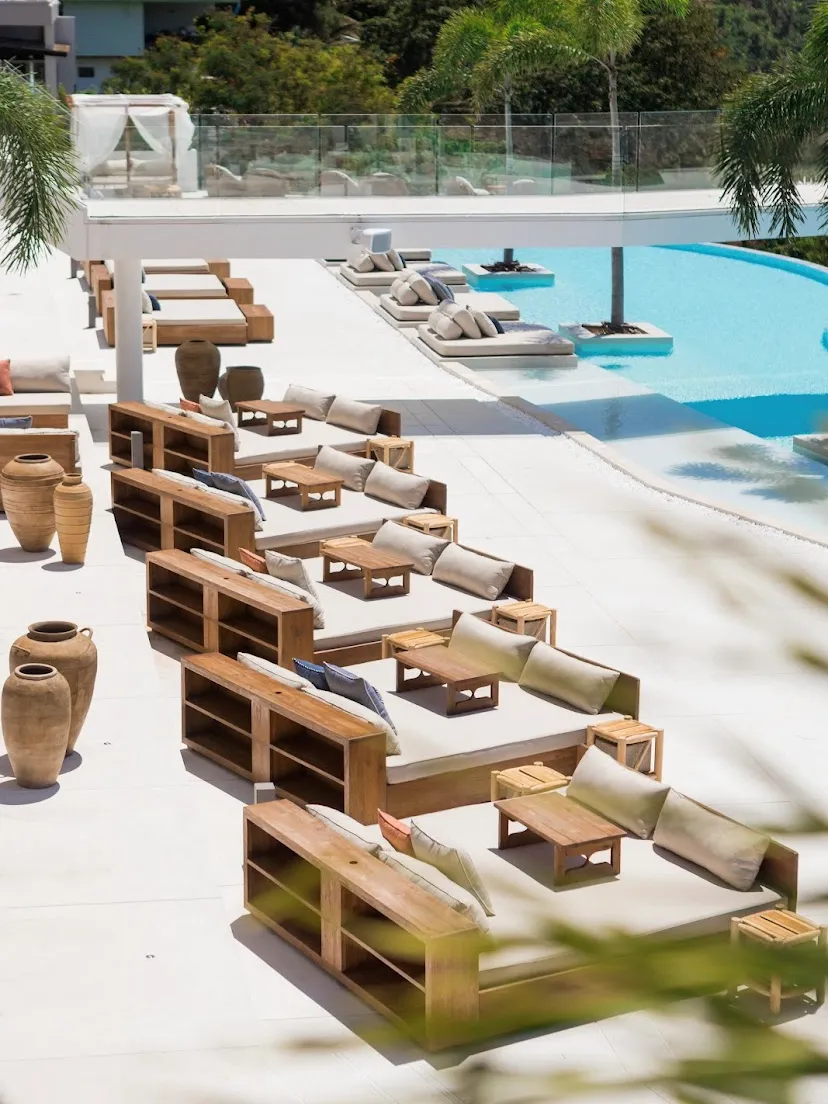

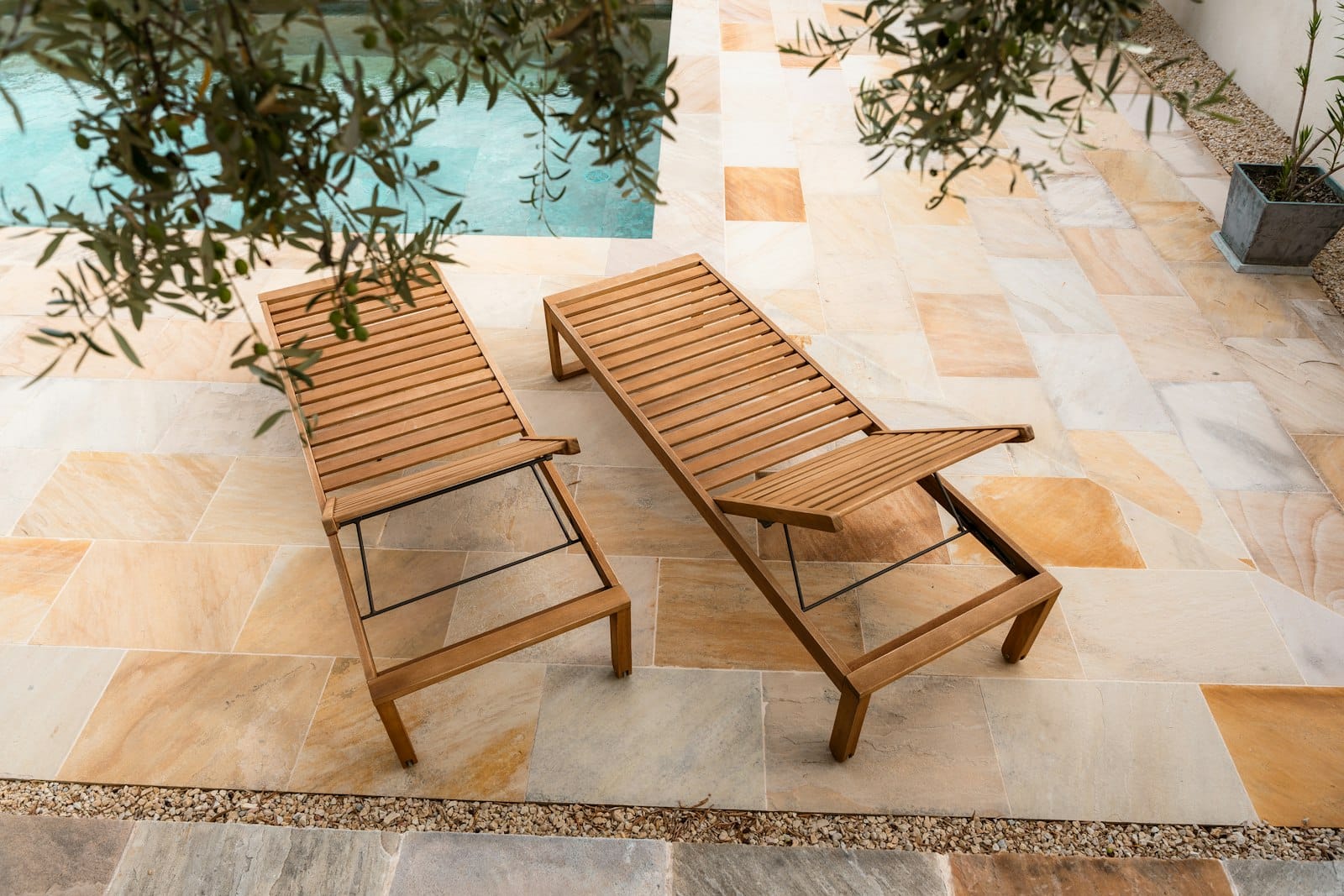
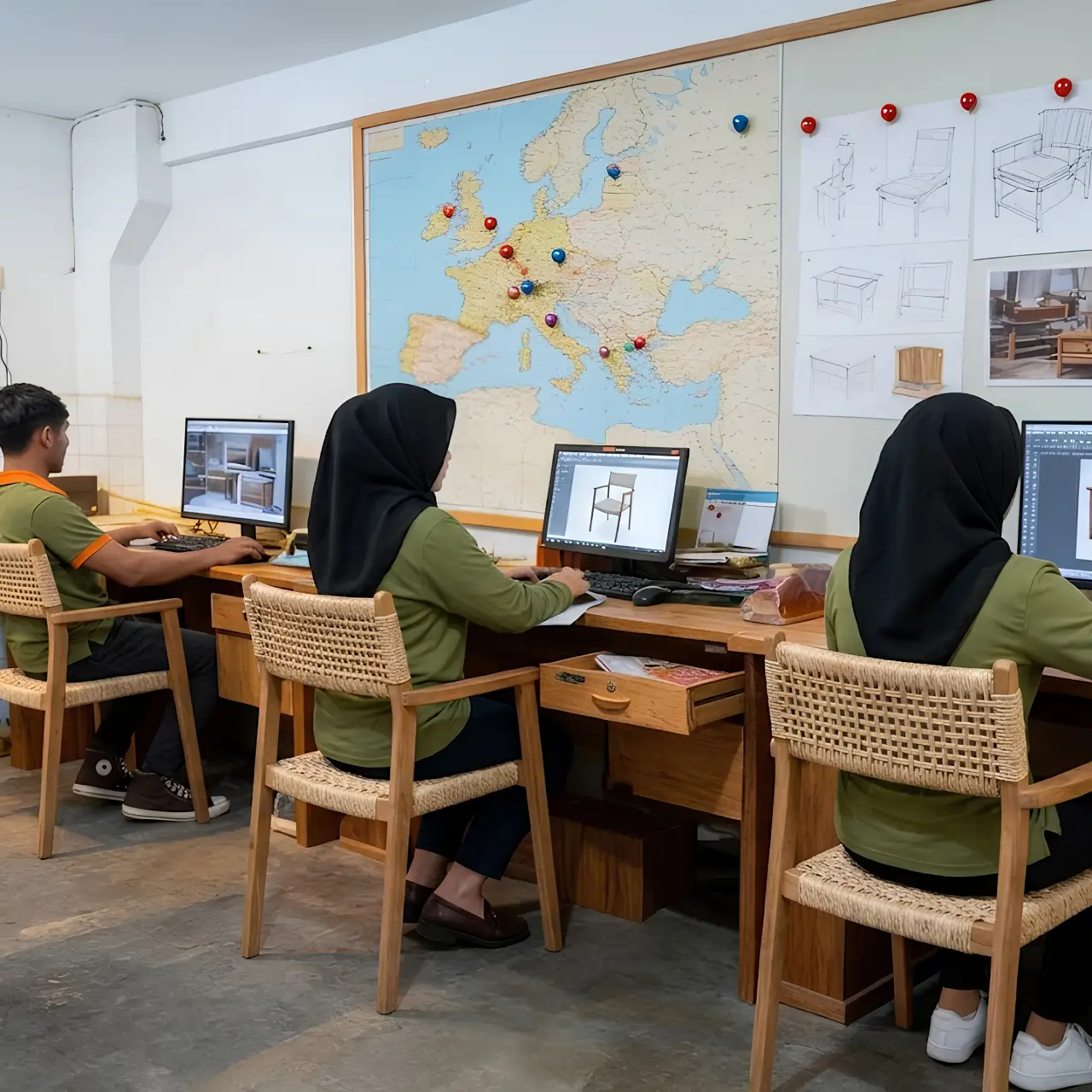
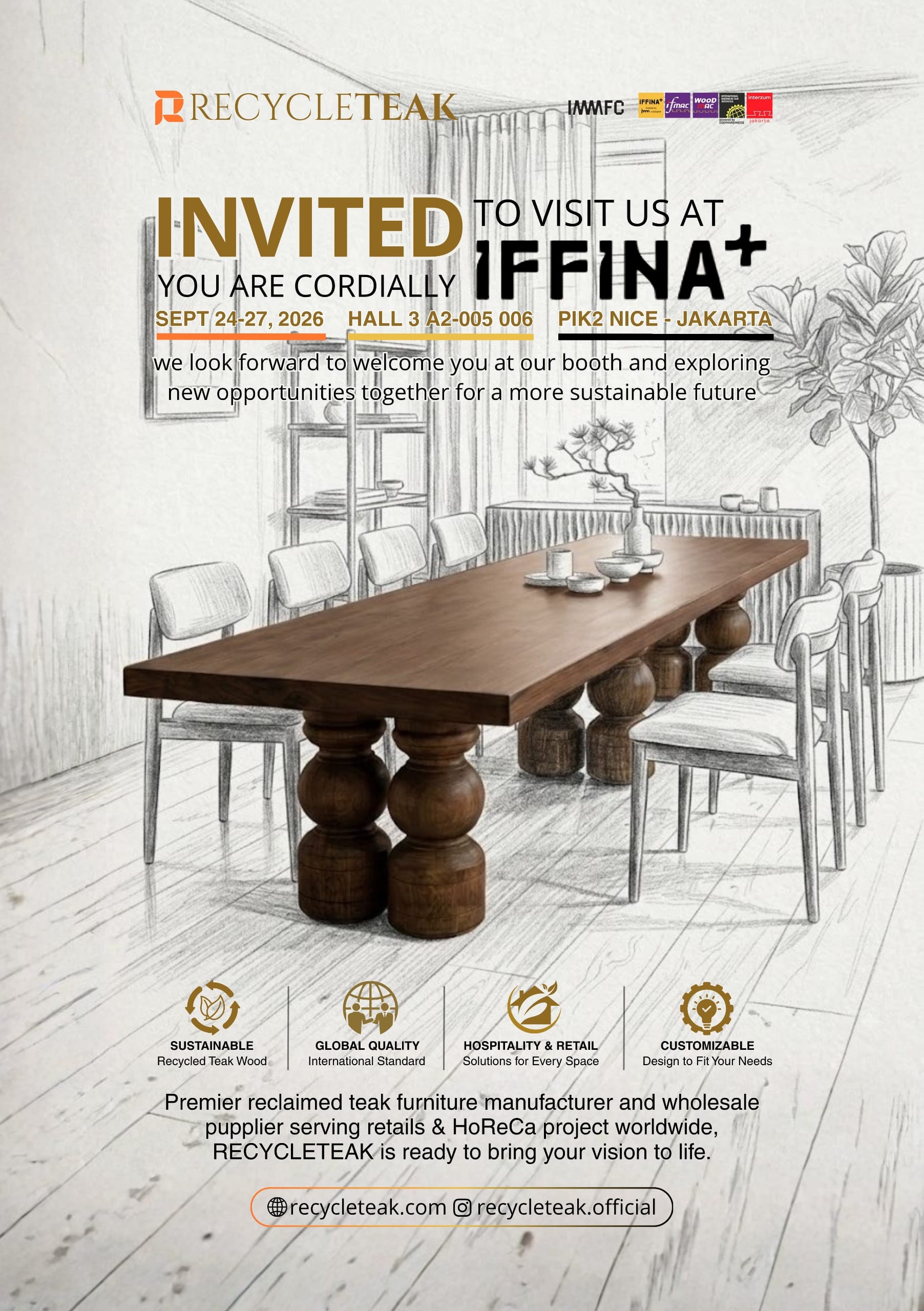
Reclaimed Teak Furniture Manufacturer & Hospitality Furniture Supplier, Indonesia. Sustainably Crafted. Wholesale & Custom Orders Welcome.