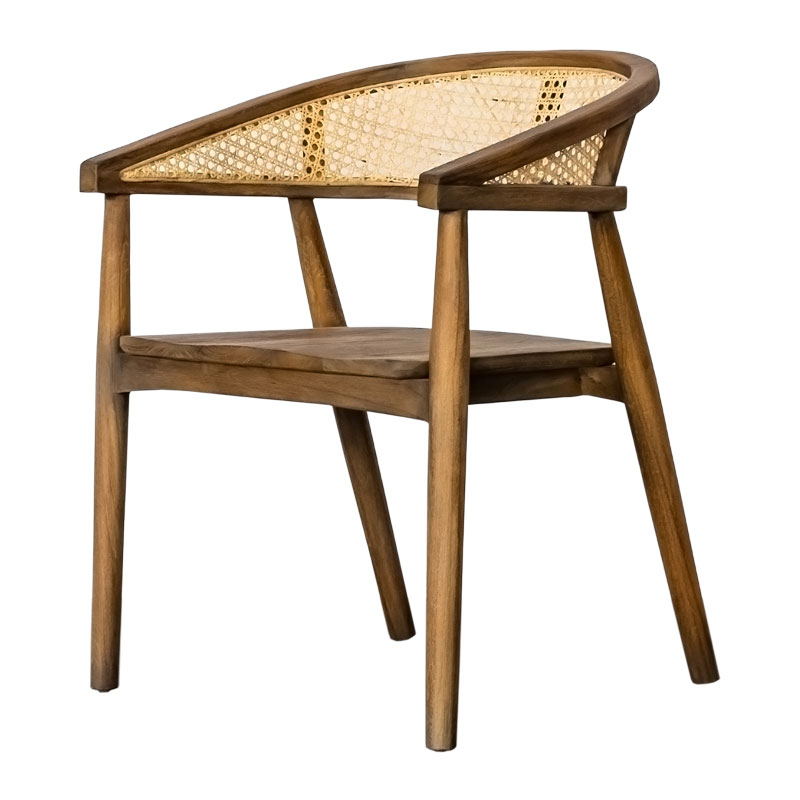

A reclaimed teak purchase is only as good as the supply chain behind it. The material’s premium, its sustainability claim, and its import legality all rest on the same foundation: a documented, repeatable path from demolished structure to export container. Buyers who audit that path before ordering avoid the three expensive failure modes of this market — fake reclaimed material, customs problems, and suppliers who can’t repeat what they delivered.
This guide maps the chain of custody stage by stage, lists the documents that should exist at each link, and ends with the audit framework we recommend applying to any supplier, ourselves included. It is part of our complete guide to reclaimed teak furniture for B2B buyers.
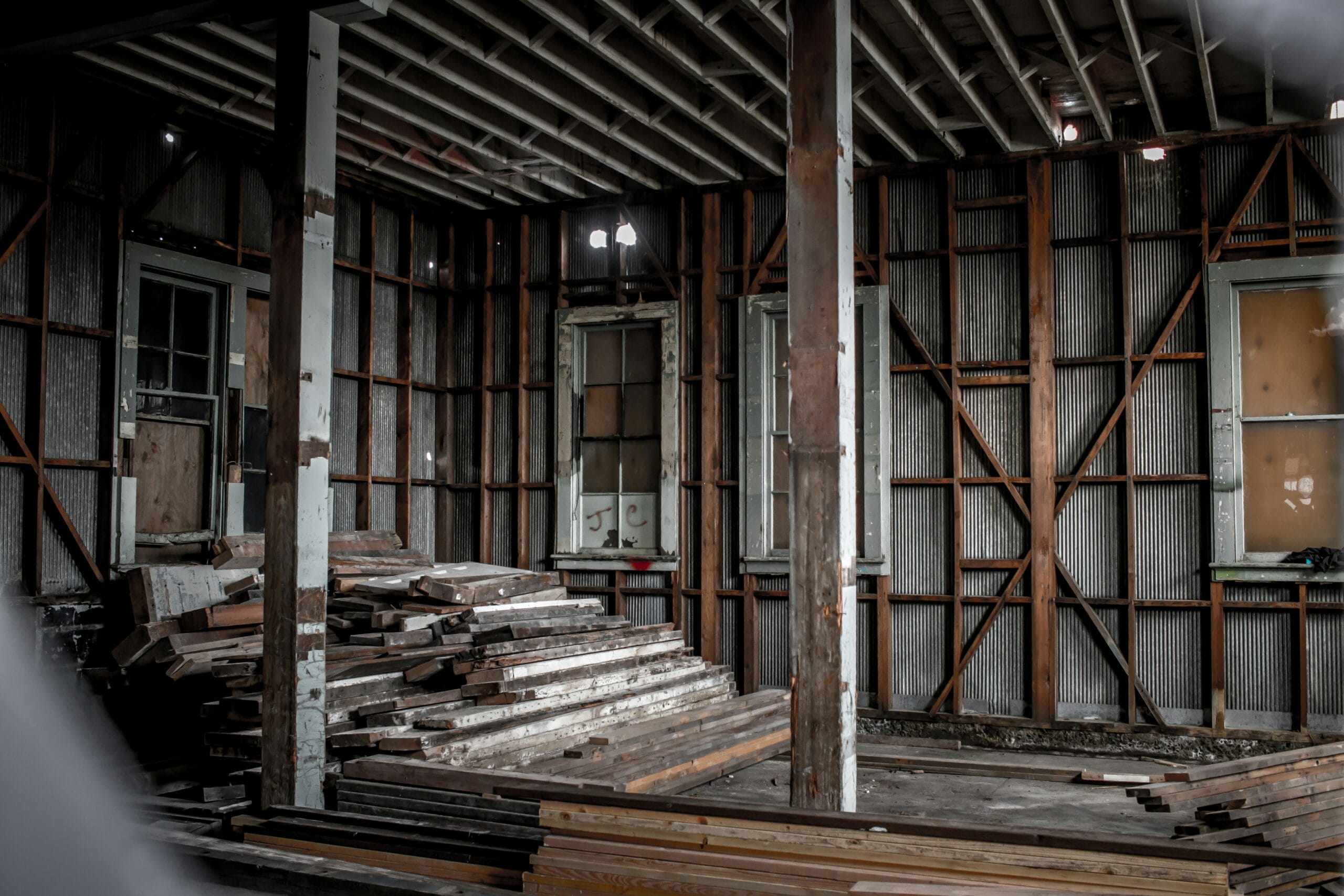
The chain begins when a Javanese structure — a joglo house, rice barn, warehouse, or bridge — reaches end of life. Established demolition networks across Central and East Java purchase these structures, dismantle them by hand to preserve beam integrity, and sell the recovered timber onward. This first market is informal by nature, but a serious manufacturer formalizes it at the point of purchase: recorded transactions identifying the source region, structure type, and volume bought. That record is the root of the entire chain — everything downstream cites it. (For what these structures are and why they exist, see what is reclaimed teak.)
Recovered beams arrive at the manufacturer’s yard, where three things should happen on intake: purchase documentation is filed against the delivery, timber is sorted and graded, and stock enters an inventory system that can later connect production orders back to beam lots. A beam yard you can visit — physically or by live video — is the single most persuasive piece of evidence in this industry. Aggregators don’t have one.
De-nailing, metal detection, re-milling, kiln drying. This is also the stage where Indonesia’s timber legality system formally applies to the operation: SVLK (Sistem Verifikasi Legalitas Kayu) audits cover the legality of raw material acquisition, processing records, and the link between input volumes and output products. A manufacturer holding SVLK in its own name has had exactly this chain examined by an accredited certification body — including the recovered-timber sourcing records from stages 1–2.
Your purchase order should be traceable to milling batches and beam lots. In practice this looks like: production records naming the batch, in-production photos or video of your pieces, and the physical evidence in the wood itself matching the claimed origin. This is also where control samples and grade verification live.
SVLK-verified exporters issue a V-Legal document with each shipment — the export-side certificate that tells customs authorities the timber products were legally sourced and processed. For EU and UK imports this documentation is recognized at the border under the FLEGT framework; for other markets it remains the strongest legality evidence an Indonesian supplier can provide. The V-Legal document should name the manufacturer — if it names a trading company you’ve never spoken to, you are not buying from a factory.
| Stage | Document | What it proves |
|---|---|---|
| Deconstruction | Beam purchase records | Timber origin: region, structure type, volume |
| Beam yard | Intake/inventory records; yard access | Physical stock exists; sorting discipline |
| Processing | SVLK certificate (manufacturer’s name) | Audited legality of sourcing & processing |
| Production | Batch records; control sample; QC logs | Your order = the claimed material |
| Export | V-Legal document per shipment | Border-recognized legality of the export |
No single document carries the chain alone. SVLK without beam records is a certificate on a wall; beam records without SVLK have never been audited. The chain persuades because the links agree with each other.
Red flags, briefly: certificates in a trading company’s name, showrooms without factories, “unlimited stock” of reclaimed product, refusal of video tours, and prices that undercut the recovery cost structure.
SVLK is Indonesia’s mandatory timber legality verification system. For reclaimed teak it matters because the audit covers raw-material acquisition records — meaning an SVLK-verified manufacturer has had its recovered-timber sourcing examined, not just its factory paperwork.
The per-shipment export certificate issued under SVLK, confirming to customs authorities that the timber products were legally sourced and processed. EU and UK customs recognize it under the FLEGT framework. It should name the actual manufacturer.
To structure types and source regions, yes — purchase records identify what was bought, where, and when. Beam-level traceability to one named building is rare and unnecessary; what compliance requires is a documented acquisition trail, which competent manufacturers maintain.
Recovered products fall outside much of EUDR’s intent since no recent harvest is involved, but importers still carry due-diligence obligations. Practically, buyers should hold the supplier’s sourcing records, SVLK certificate, and V-Legal documents on file and confirm current requirements with their customs advisor, as guidance continues to evolve.
Then you are buying product, not supply chain — acceptable for a one-off container, dangerous for a program. Weak documentation predicts inconsistent material, customs friction, and sustainability claims you cannot defend to your own customers.
RecycleTeak runs the full chain in-house: beams purchased directly from Javanese demolition networks, our own yard and kilns in Semarang, SVLK verification in our own name, and V-Legal documentation with every shipment. Every step in this guide is a step we welcome buyers to inspect.
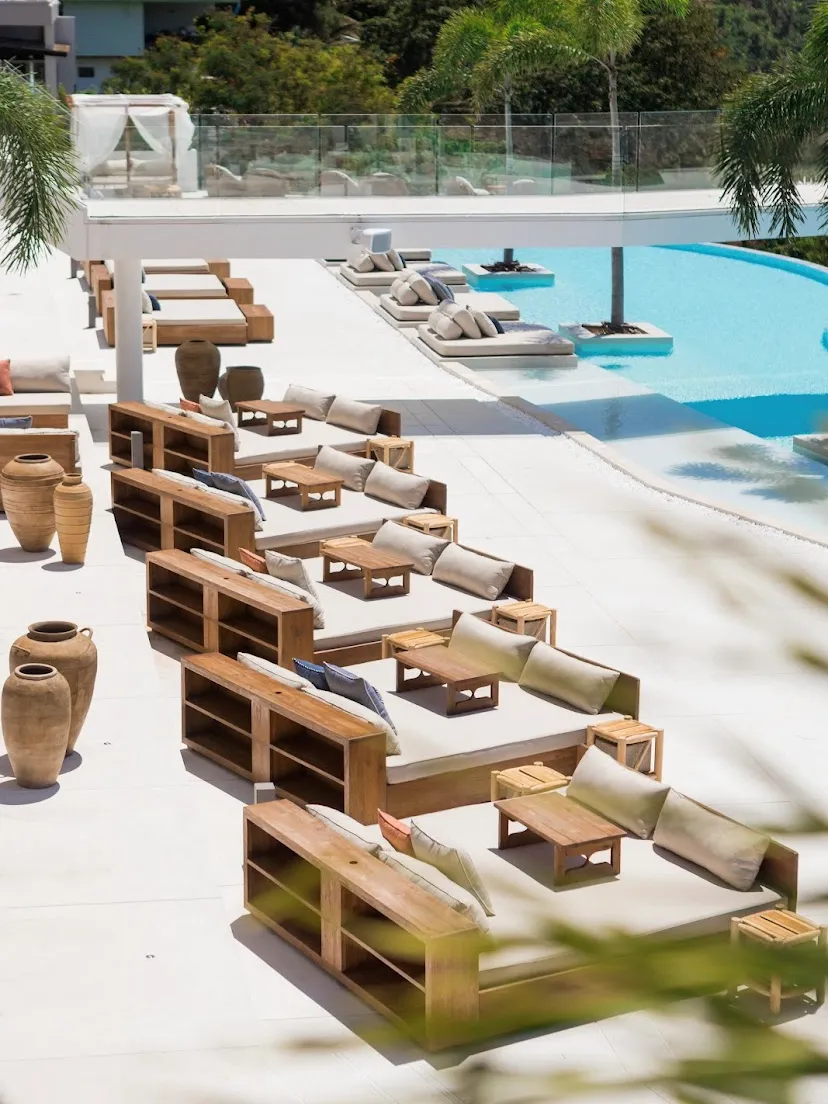


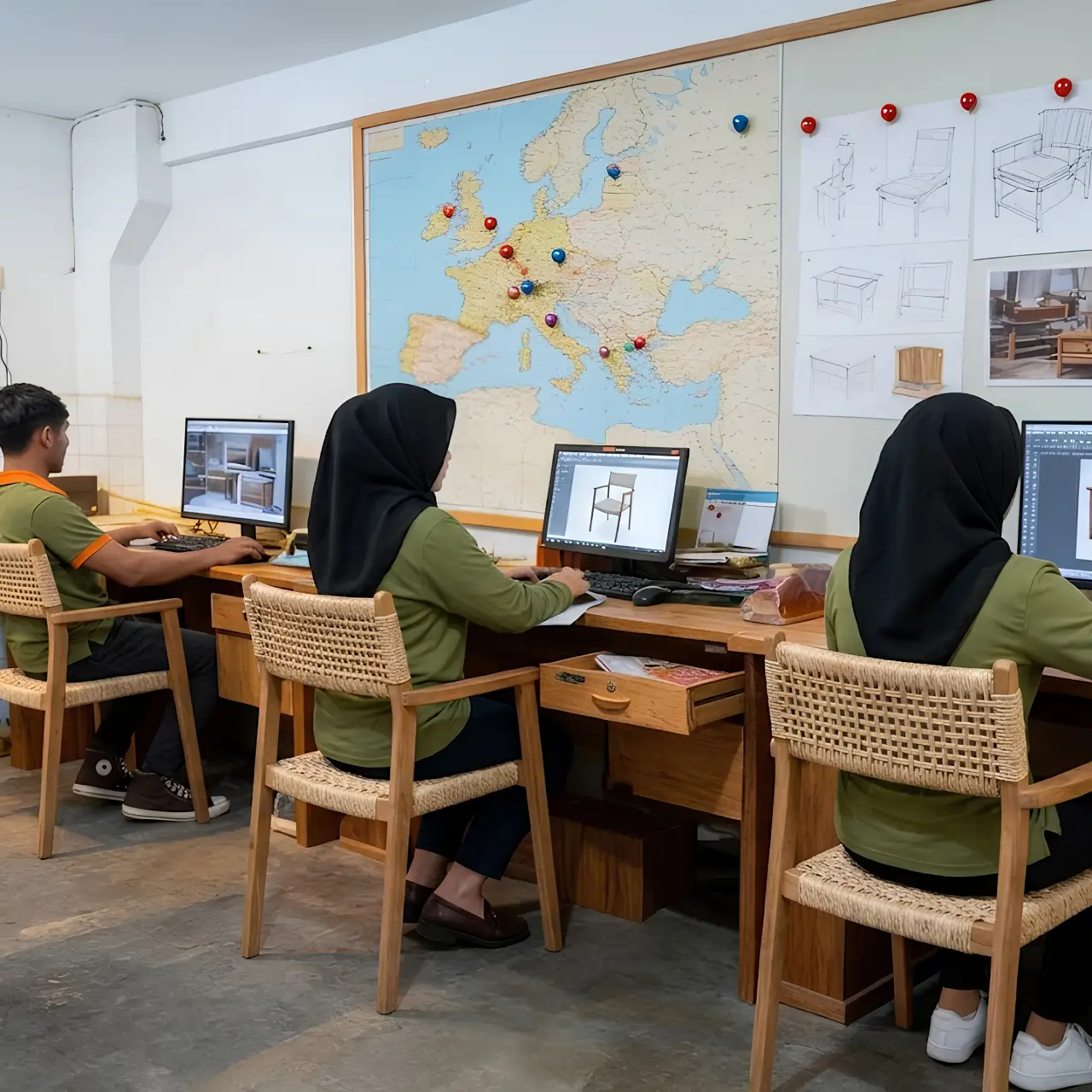
Reclaimed Teak Furniture Manufacturer & Hospitality Furniture Supplier, Indonesia. Sustainably Crafted. Wholesale & Custom Orders Welcome.