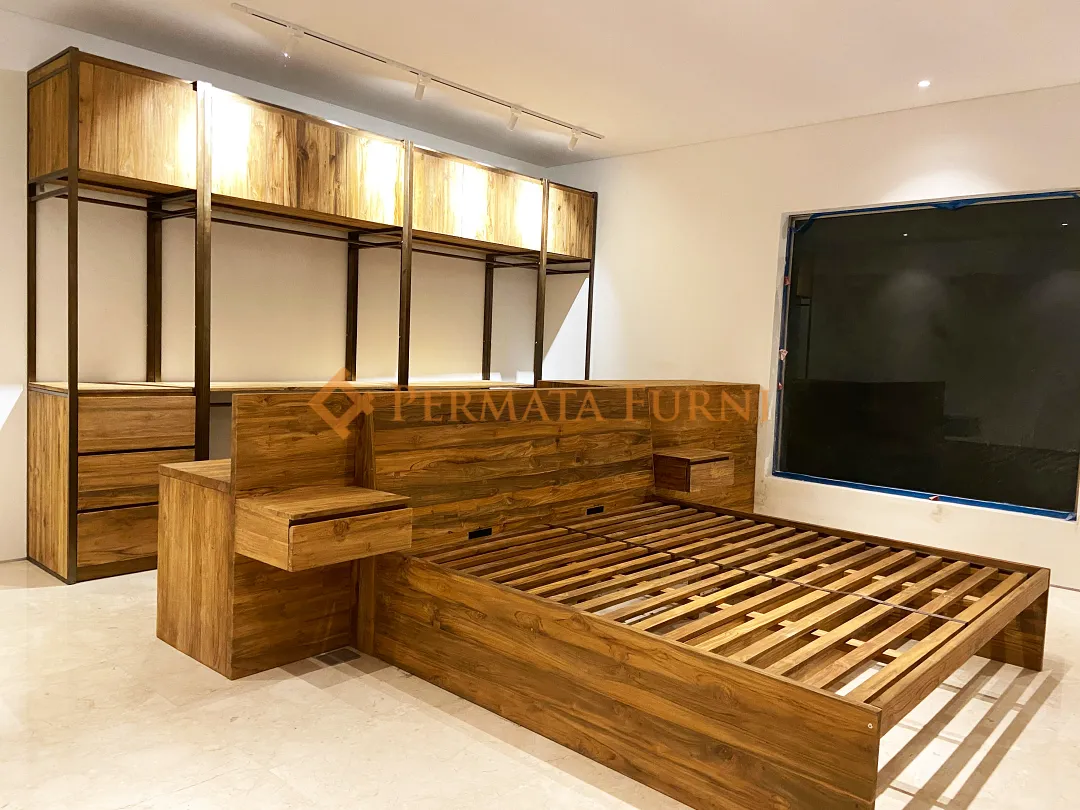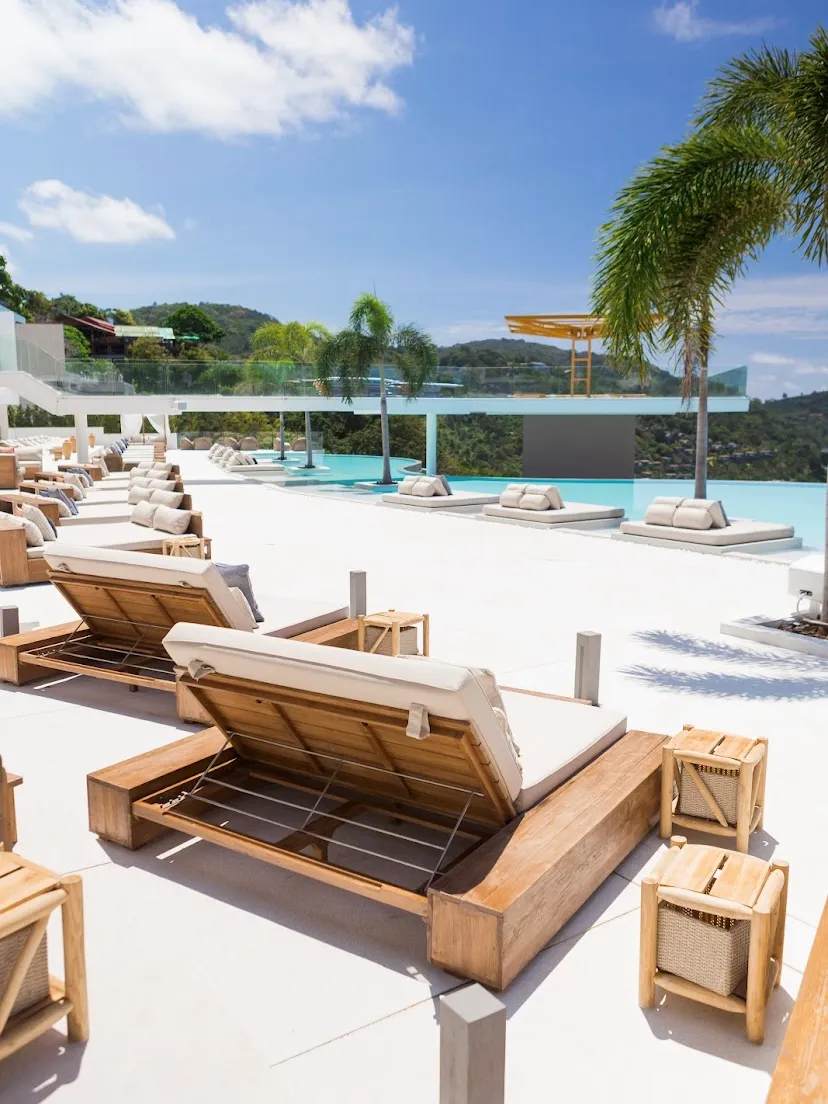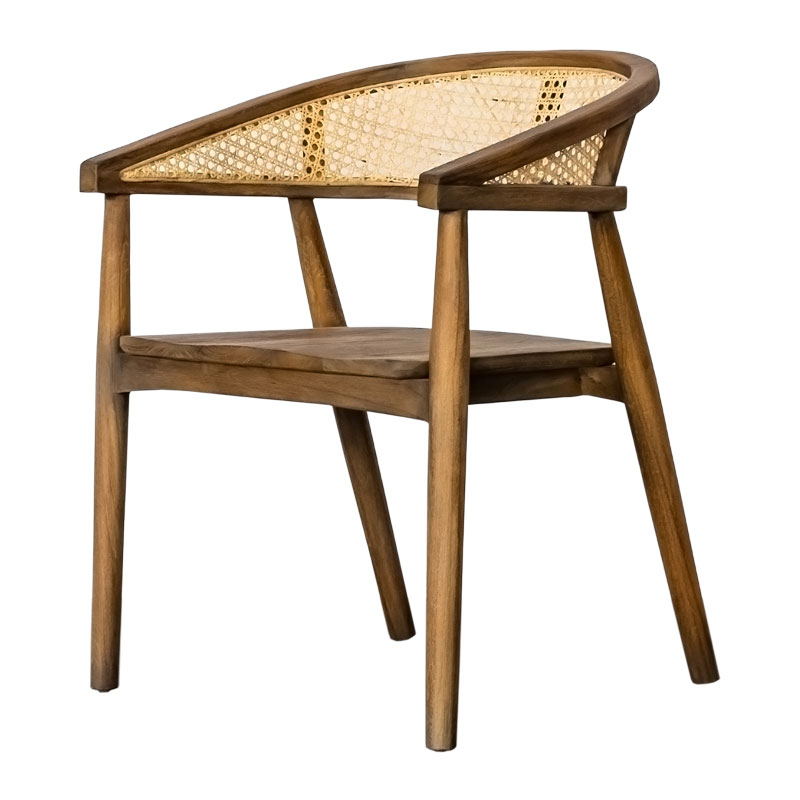

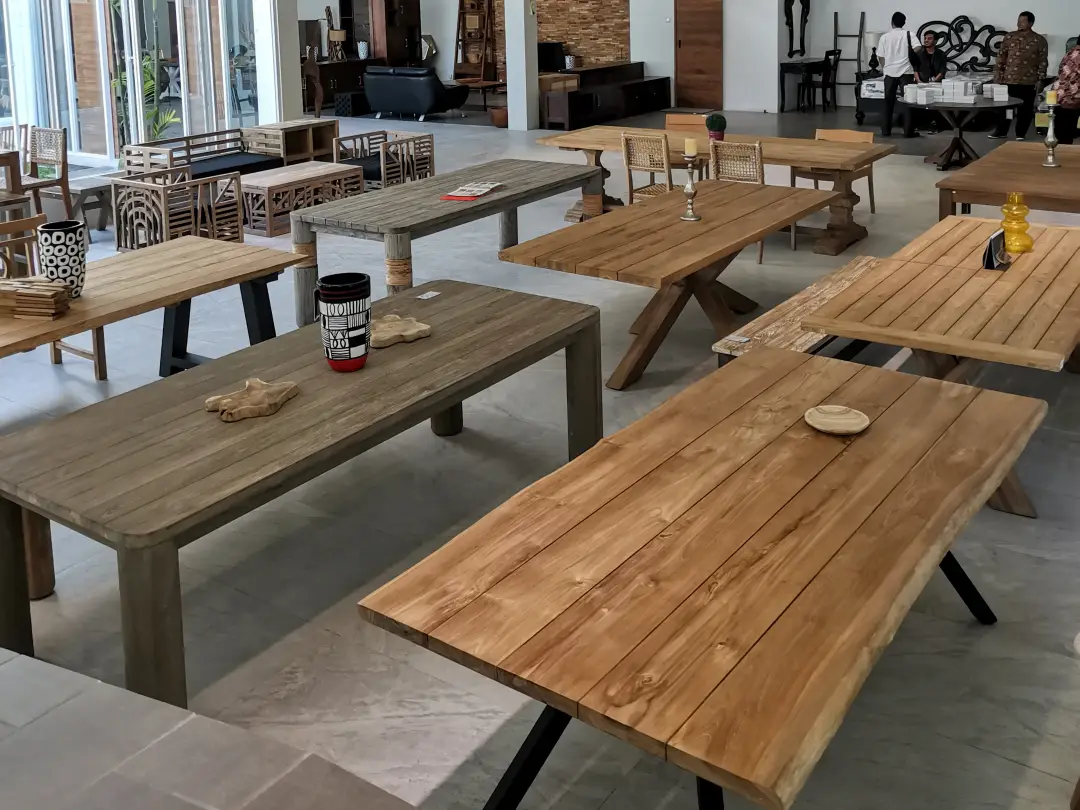
There’s something unmistakably elegant about a well-aged teak outdoor furniture table. The silver-grey patina, the dense grain, the heft that signals decades of growth — these aren’t just aesthetics. They’re proof that the wood has earned its place in your outdoor space. While newly milled teak tables flood the market, experienced buyers increasingly seek out aged teak for good reason: it performs better, looks more authentic, and often costs less than virgin alternatives.
This guide covers everything you need to know before buying an aged teak outdoor table — from how aging affects the wood’s properties, to what distinguishes quality reclaimed pieces from low-grade imitations.
Not all aged teak is created equal. The term can refer to several different sources of wood, each with distinct characteristics.
Old-growth teak — harvested from trees 80 to 150 years old — has a significantly tighter grain, higher natural oil content, and greater density than fast-grown plantation alternatives. When you see an aged teak outdoor furniture table sourced from old-growth stock, you’re looking at wood that was already exceptional before it aged further.
Plantation teak, while sustainable, grows faster and produces a more open grain. It can still age beautifully, but it won’t match the oil content or durability of old-growth pieces.
Reclaimed teak comes from deconstructed structures — bridges, ship decks, warehouse floors, and colonial-era buildings. This wood has already proven its weather resistance over 30, 50, or even 100 years of service. When it’s crafted into an aged teak outdoor dining table, the wood carries that proven performance forward.
Browse our reclaimed teak collection
The case for aged teak goes beyond aesthetics. Here are the structural and chemical reasons experienced furniture buyers prefer it.
Teak produces tectoquinone and other natural oils that resist moisture, insects, and rot. In old-growth and reclaimed aged teak, these oils have concentrated over decades rather than being rapidly diluted by fast growth. The result is a wood that sheds water more effectively and requires less maintenance than newer timber.
Fresh-cut teak still moves — expanding and contracting with humidity changes. Aged teak has largely completed this process. An aged teak outdoor furniture table is less prone to warping, checking (surface cracking), and joint loosening than a table made from recently milled wood. For outdoor dining tables subjected to seasonal moisture swings, this matters enormously.
Many buyers initially assume the silver-grey color of weathered teak is a sign of deterioration. It isn’t. The patina is caused by UV exposure oxidizing the surface oils — a purely cosmetic change that doesn’t affect structural integrity. Beneath the grey surface, aged teak remains rich brown and fully intact.
If you prefer the warm honey color, a single application of teak oil restores it temporarily. If you love the weathered look, simply leave it alone — it’s self-maintaining.
How to care for teak outdoor furniture →
Quality varies widely in the aged teak market. Use these criteria to separate genuine quality from overpriced novelty.
Pick up a chair from the matching set, or knock on the tabletop. Quality aged teak from old-growth stock is noticeably heavier than plantation alternatives. A 180cm reclaimed teak dining table should weigh 40–60kg depending on thickness. Lightweight pieces with an “aged” finish applied artificially are a red flag.
Tight, consistent grain indicates slow growth and high density. Look for:
Outdoor tables endure thermal expansion, moisture stress, and physical impact. Look for:
Reputable sellers of aged teak outdoor furniture tables should be able to tell you the wood’s source. Reclaimed pieces from verified structures command a premium for good reason. Look for:
The aged teak market spans a wide range of styles. Matching the right style to your space makes all the difference.
Long, thick-topped reclaimed teak tables with simple trestle or plank legs suit rustic gardens, large terraces, and country estates. These are statement pieces — often 2–3 metres long — designed for gatherings. Their substantial weight also means they stay put in wind.
Round aged teak outdoor furniture tables encourage conversation and work well in smaller spaces. A central pedestal base in matching reclaimed teak or powder-coated steel pairs well with the organic character of weathered wood.
Not all aged teak tables are fixed-size monoliths. Folding butterfly extensions and drop-leaf designs in reclaimed teak offer flexibility for smaller patios without sacrificing character or durability.
View all outdoor dining tables →
One reason aged teak outdoor furniture tables are so popular is their low maintenance requirement compared to other hardwoods and most softwoods.
Annual maintenance routine:
What to avoid:
Aged teak does not need sealing, staining, or painting. Its natural oils are its protection.
Aged teak outdoor furniture tables typically sit in a higher price bracket than new plantation teak — but the value calculation changes when you factor in lifespan.
| Type | Price Range (180cm dining table) | Expected Lifespan |
|---|---|---|
| New plantation teak | Rp 4,000,000 – 8,000,000 | 15–25 years |
| Aged plantation teak | Rp 7,000,000 – 14,000,000 | 25–40 years |
| Reclaimed old-growth teak | Rp 12,000,000 – 30,000,000+ | 50+ years |
The reclaimed option, despite the higher upfront cost, often delivers a lower cost-per-year and avoids replacement purchases entirely within a typical homeowner’s timeframe.
Genuine aged teak has consistent grey patina across all surfaces including undersides and interior joints. Artificially weathered pieces usually show a freshly cut or lighter color in areas that weren’t exposed — check the underside of the tabletop and the inner faces of legs.
Yes. Aged teak transitions well between outdoor and indoor use. Its neutral silver or warm brown tones complement both contemporary and traditional interiors. Ensure it’s fully dried before bringing indoors after rain.
No — it doesn’t need it. Teak oil is a cosmetic choice to restore the warm brown color. The wood’s own oils are sufficient for weather protection. Over-oiling can actually attract mildew on the surface.
Properly maintained reclaimed teak outdoor tables routinely last 50–80 years in outdoor conditions. Some examples from colonial-era teak structures have lasted over a century. Teak is one of the few woods that can genuinely be called a lifetime purchase.
Reclaimed teak is one of the most sustainable wood choices available — no new trees are felled, and existing timber is given a second productive life. Old-growth plantation teak certified by FSC is also a responsible choice. Avoid uncertified sources, which may involve illegal logging.
An aged teak outdoor furniture table isn’t just furniture — it’s an investment in your outdoor space that pays dividends in durability, character, and low maintenance year after year. Whether you’re drawn to the silvered patina of a reclaimed ship-deck table or the dense grain of plantation teak that’s earned its age, the key is knowing what to look for and buying from a seller who can substantiate the wood’s origins.
Ready to find your table? Browse our collection of reclaimed and aged teak outdoor furniture — each piece documented, inspected, and ready for decades of outdoor life.
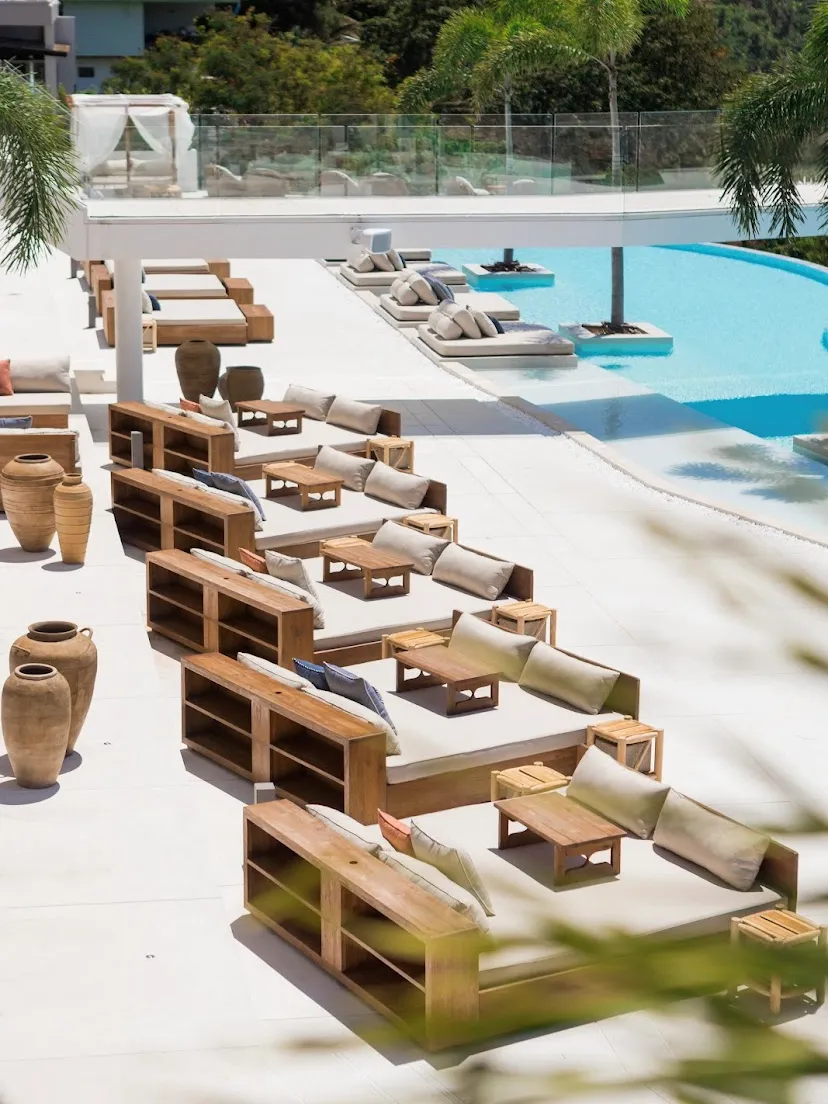

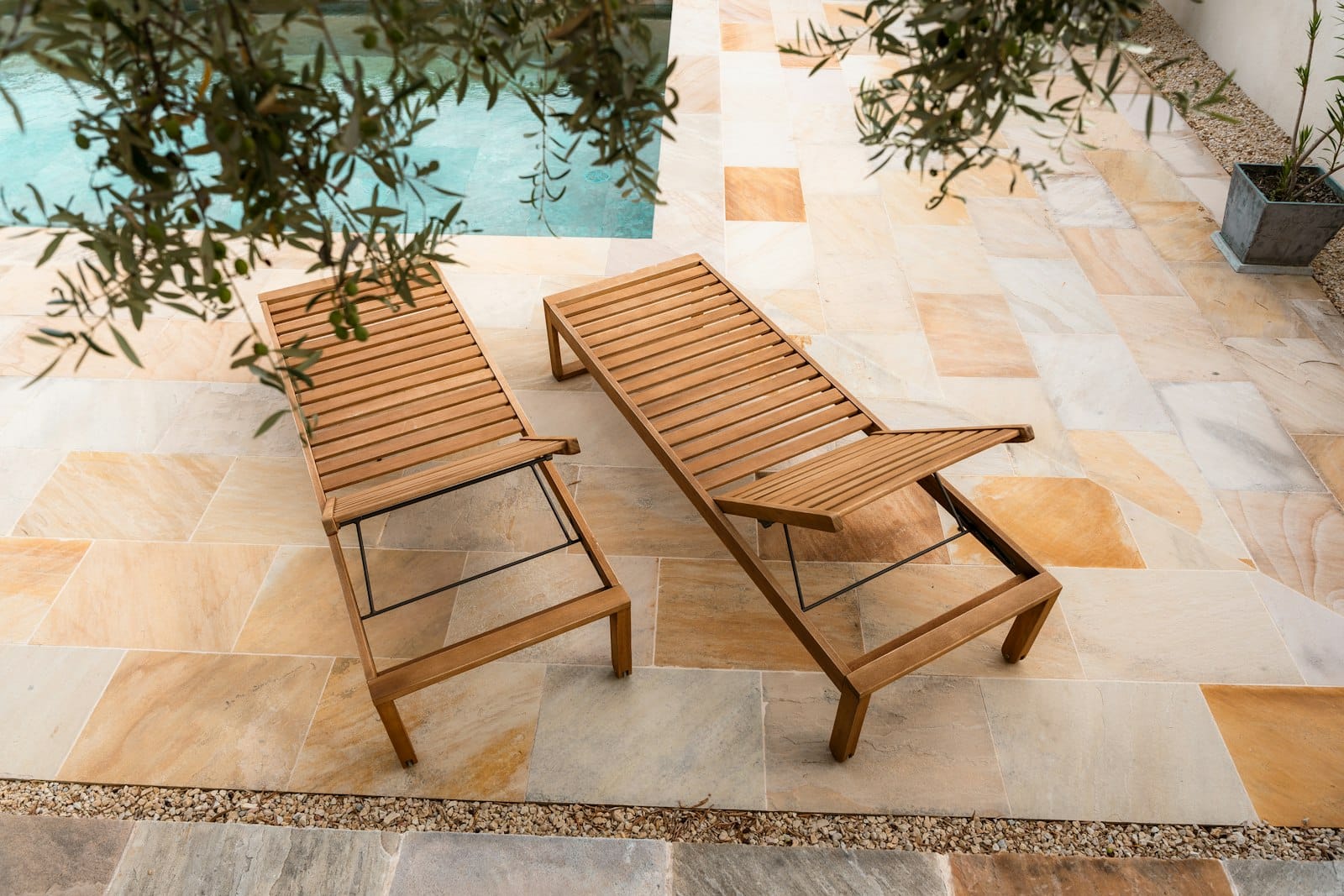
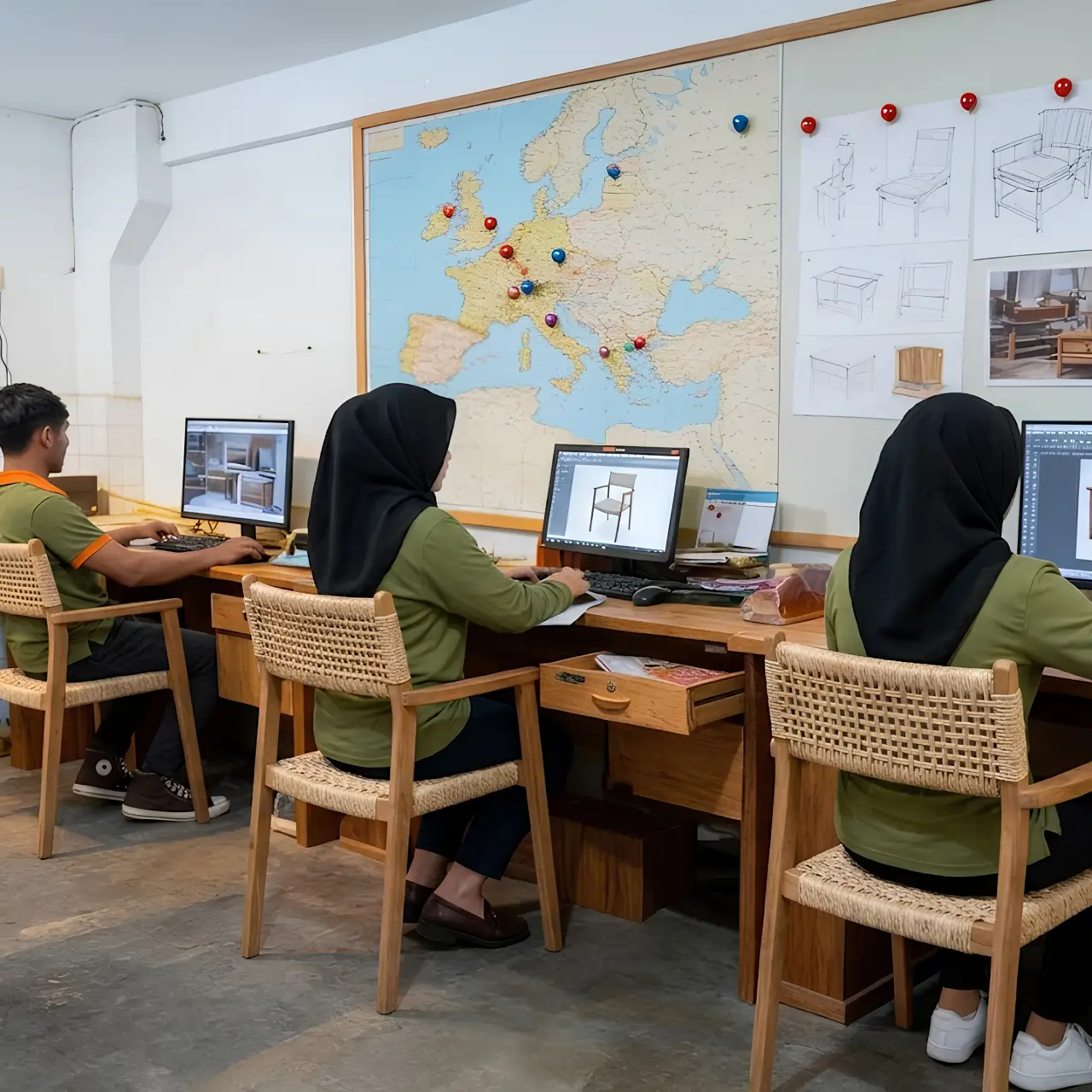
Reclaimed Teak Furniture Manufacturer & Hospitality Furniture Supplier, Indonesia. Sustainably Crafted. Wholesale & Custom Orders Welcome.