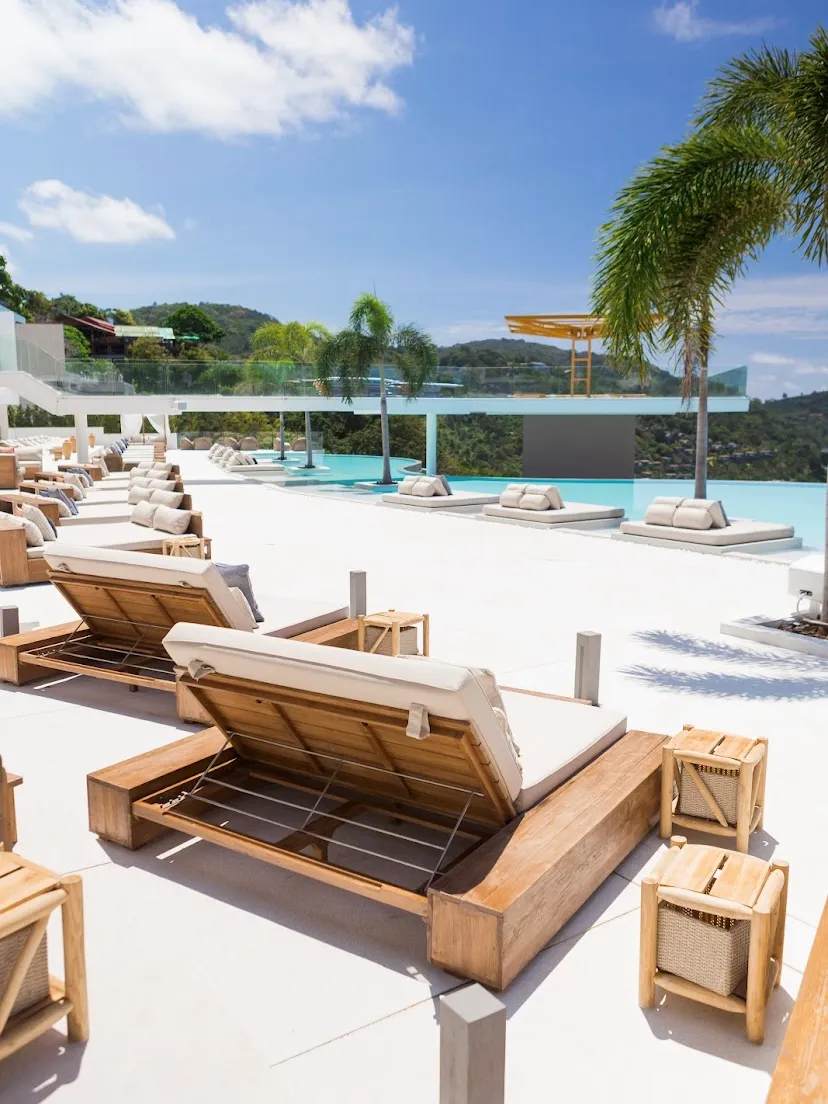

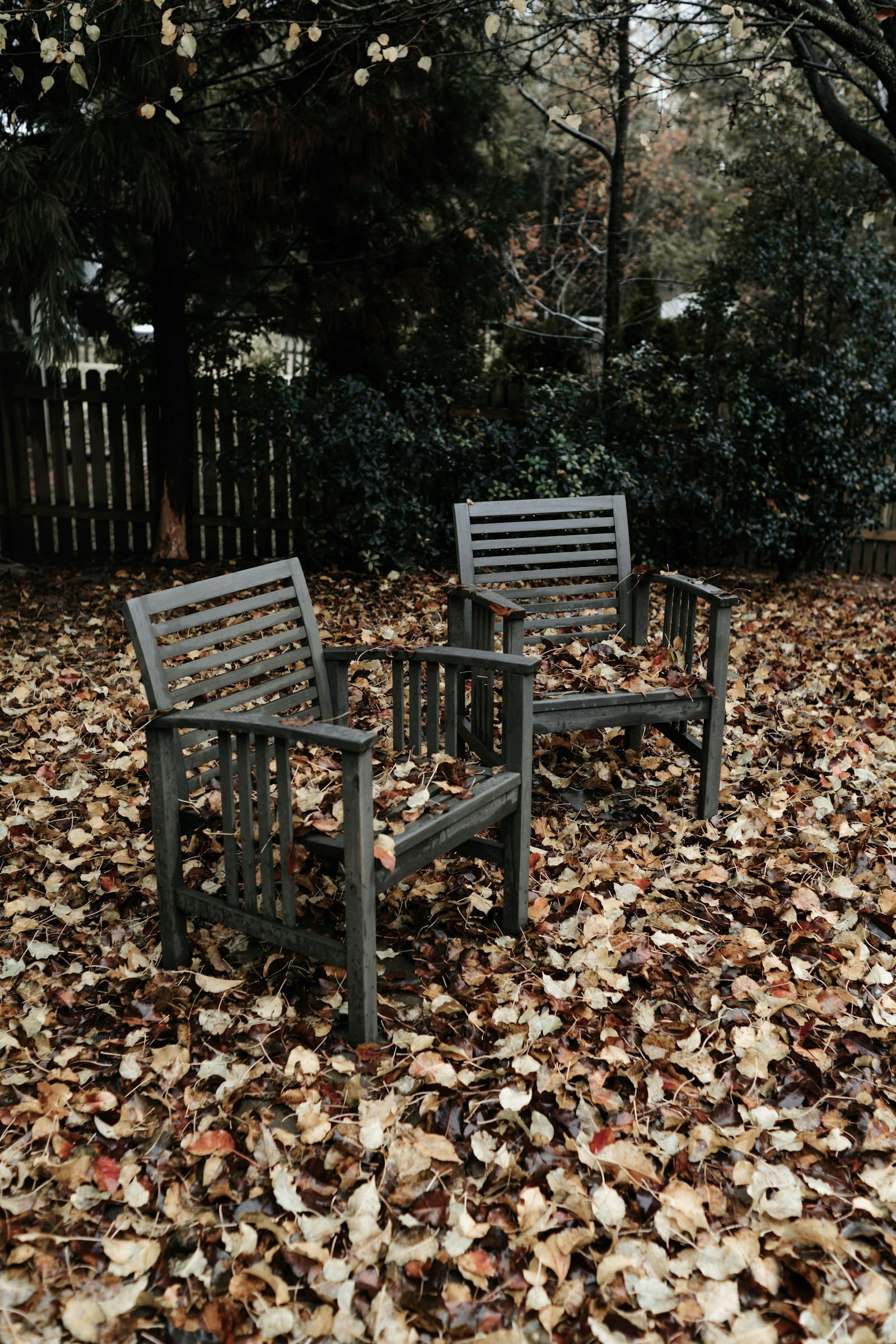
Indoors, the difference between reclaimed and plantation teak is a matter of character and density. Outdoors, it becomes a matter of survival. Rain, UV, salt air, and seasonal humidity swings attack exactly the properties where old-growth reclaimed teak is strongest and young plantation wood is weakest — which is why untreated reclaimed teak routinely serves 30+ years outside while plantation furniture typically shows structural wear in 10–20.
This article explains the four mechanisms behind that gap, what actually happens to each material through years of exposure, and how the difference compounds economically for commercial outdoor programs. It is part of our complete guide to reclaimed teak furniture for B2B buyers; for the full material comparison beyond outdoor use, see reclaimed vs new teak.
Four attack vectors work on outdoor furniture simultaneously:
Teak as a species defends against all four better than almost any other timber. But the strength of those defenses depends directly on how the tree grew — and that is where the reclaimed advantage begins.
Teak’s weather resistance comes from natural oils (including tectoquinone) and waxy extractives deposited in the heartwood as the tree matures. An 80–150 year old tree — the profile of recovered Javanese structural timber — spent decades concentrating these compounds. A 15–25 year plantation log had a fraction of that time.
Outdoors this means reclaimed surfaces shed water longer between maintenance cycles, resist fungal staining in damp climates, and repel insects without treatment. Plantation teak has the same chemistry in weaker concentration — and its higher sapwood proportion contains almost none of it.
Only heartwood carries teak’s durability; sapwood rots outdoors like any common timber. Re-milled old-growth beams are almost entirely heartwood. Young plantation logs, cut before the heartwood core dominates, yield boards with visible sapwood bands — the first places outdoor furniture fails, often within a few seasons in wet climates.
UV and weathering slowly erode wood surfaces, and dense, tight-ringed timber erodes far more slowly. Old-growth reclaimed teak’s ring density also means better screw-holding and joint integrity under the racking loads of daily commercial use — chairs dragged on terraces, benches shifted for cleaning, tables leaned on for years.
The moisture cycling that destroys outdoor furniture works by moving the wood. Reclaimed teak spent 50–120 years completing its major movement inside Javanese structures through tropical wet and dry seasons — the most demanding conditioning program imaginable. What arrives in your furniture is dimensionally settled: tabletops stay flat, joints stay tight, checks that wanted to open opened generations ago.
New teak, however well kiln-dried, completes this process in service — in your customer’s climate, in your customer’s furniture.
Left untreated outdoors, both materials grey as UV oxidizes surface oils. The difference is what happens underneath:
Either way, the grey is not damage — a point worth making to end customers. If the warm brown look is wanted, light sanding or teak cleaner restores it; our teak care guide covers the annual routine, which for reclaimed teak amounts to about an hour a year.
For a 200-seat outdoor program, the arithmetic is straightforward. Plantation furniture at a 12–15 year outdoor life means at least one full replacement cycle — plus freight, installation, and disruption — inside the 25–30 years a reclaimed installation serves on its original pieces. The purchase premium on reclaimed (detailed in our pricing breakdown) amortizes to a lower annual cost before counting the softer benefits: fewer warranty claims, consistent appearance across years, and a sustainability story that survives audit.
Untreated, 30+ years of structural service is typical, weathering to a silver-grey patina. With basic annual care, installations run longer. Plantation teak under the same exposure typically shows structural wear within 10–20 years.
No. Its natural oil content is the protection. Oiling is purely aesthetic (retains the brown color) and increases maintenance frequency. Most commercial installations let it weather to silver and clean it annually.
No — greying is surface oxidation of oils under UV, purely cosmetic. Beneath the patina, sound reclaimed teak remains brown and structurally intact. It can be restored to brown by light sanding or teak cleaner if preferred.
Yes. Completed dimensional movement makes it exceptionally tolerant of freeze-thaw and humidity swings. Covering during long off-seasons reduces cleaning but is not structurally necessary.
It is among the best materials available for both: high oil content resists salt-air and chlorinated splash cycling, and the wood’s decades of prior tropical exposure are the strongest possible durability evidence.
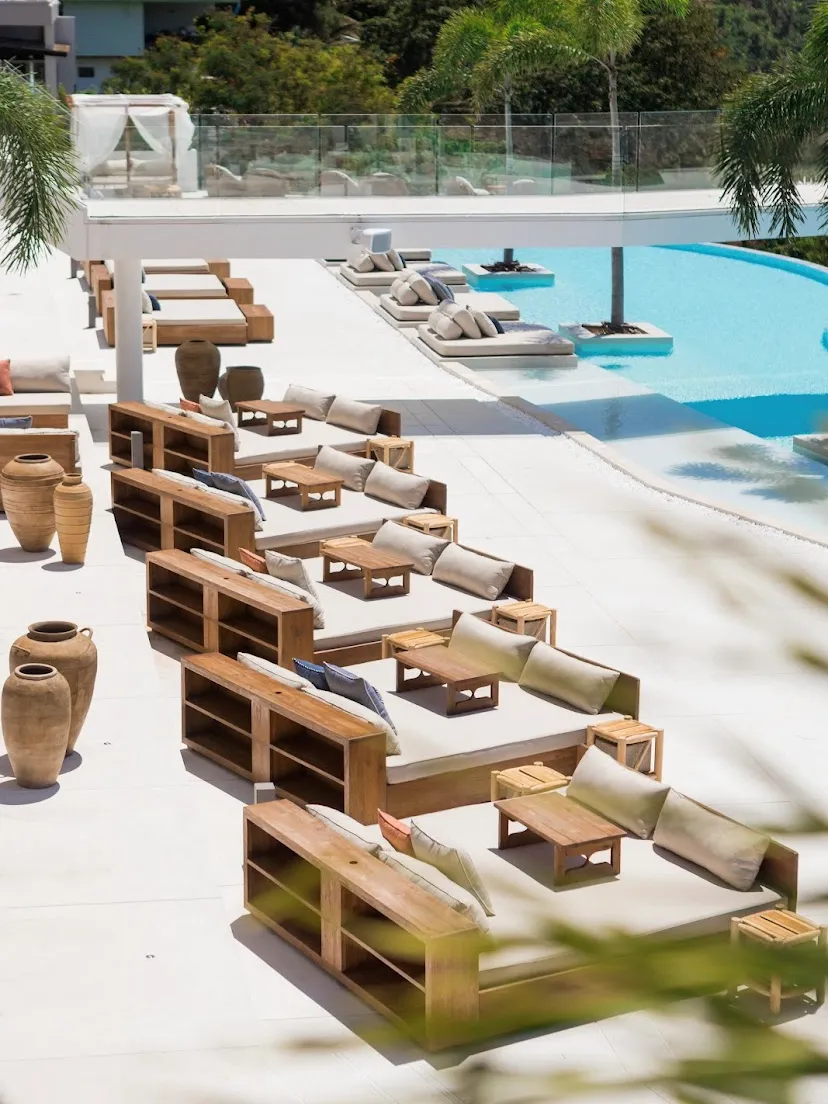
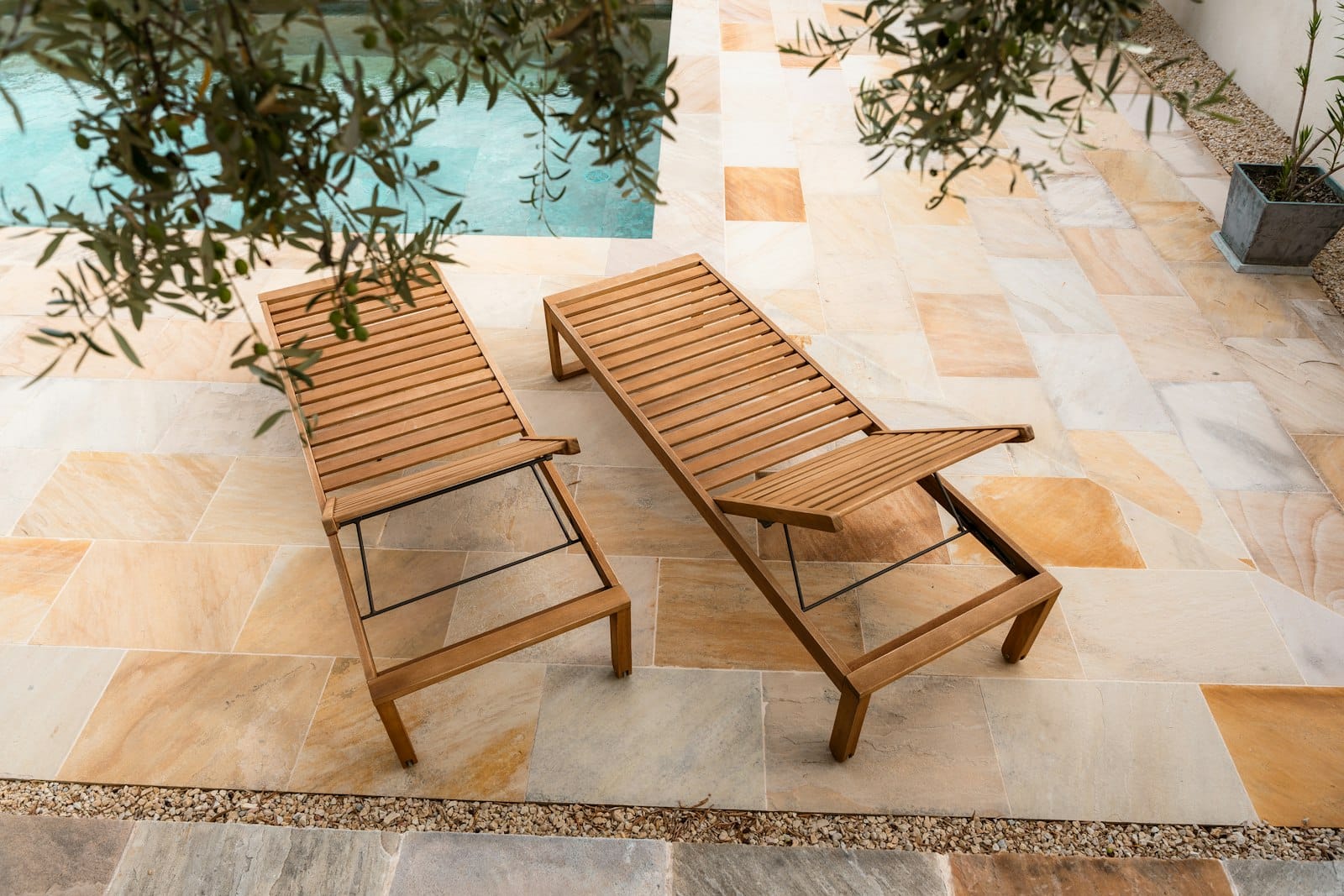
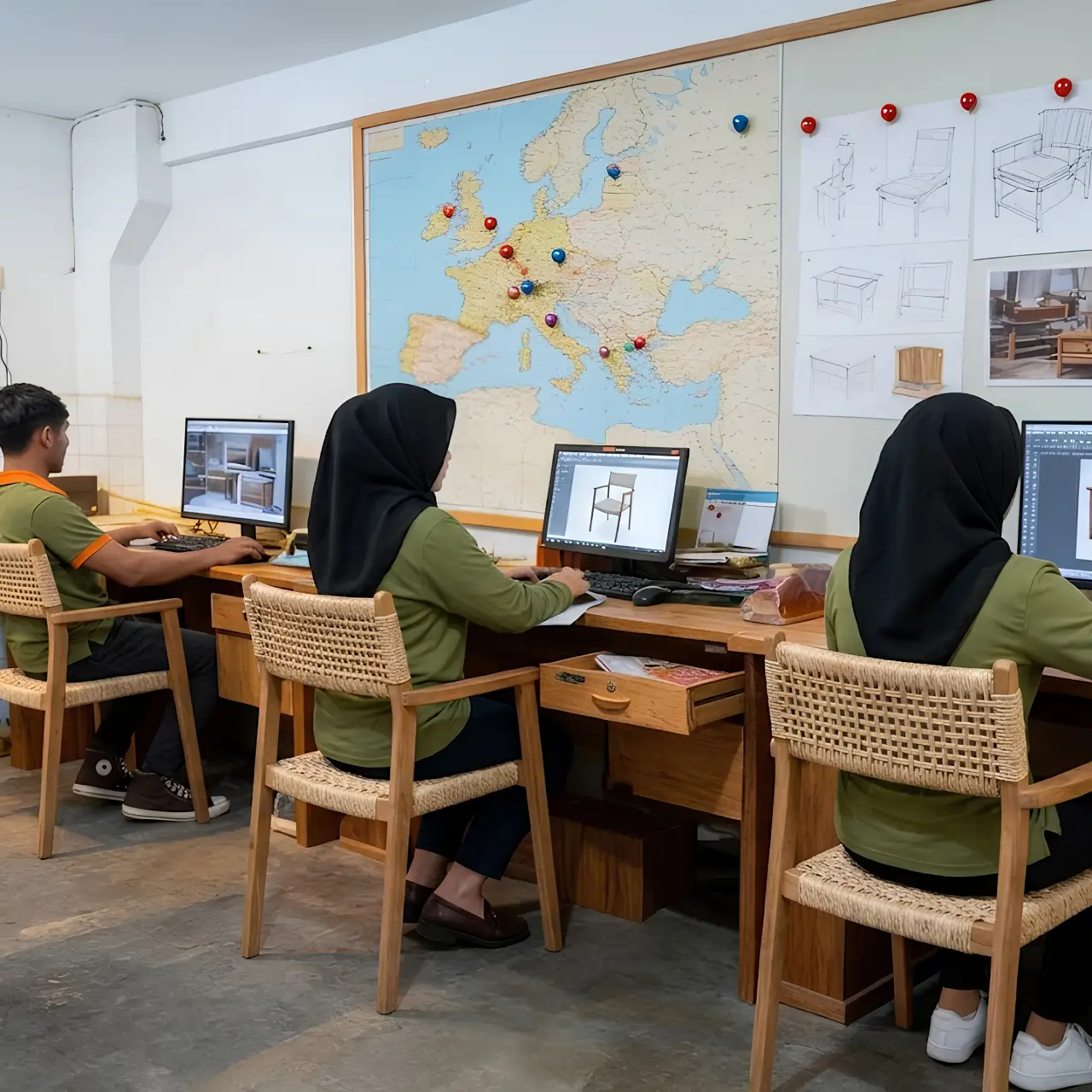
RecycleTeak manufactures reclaimed teak outdoor furniture in Semarang for hotels, resorts, and beach clubs worldwide — from timber that already survived decades of Javanese weather before entering our beam yard.

Reclaimed Teak Furniture Manufacturer & Hospitality Furniture Supplier, Indonesia. Sustainably Crafted. Wholesale & Custom Orders Welcome.