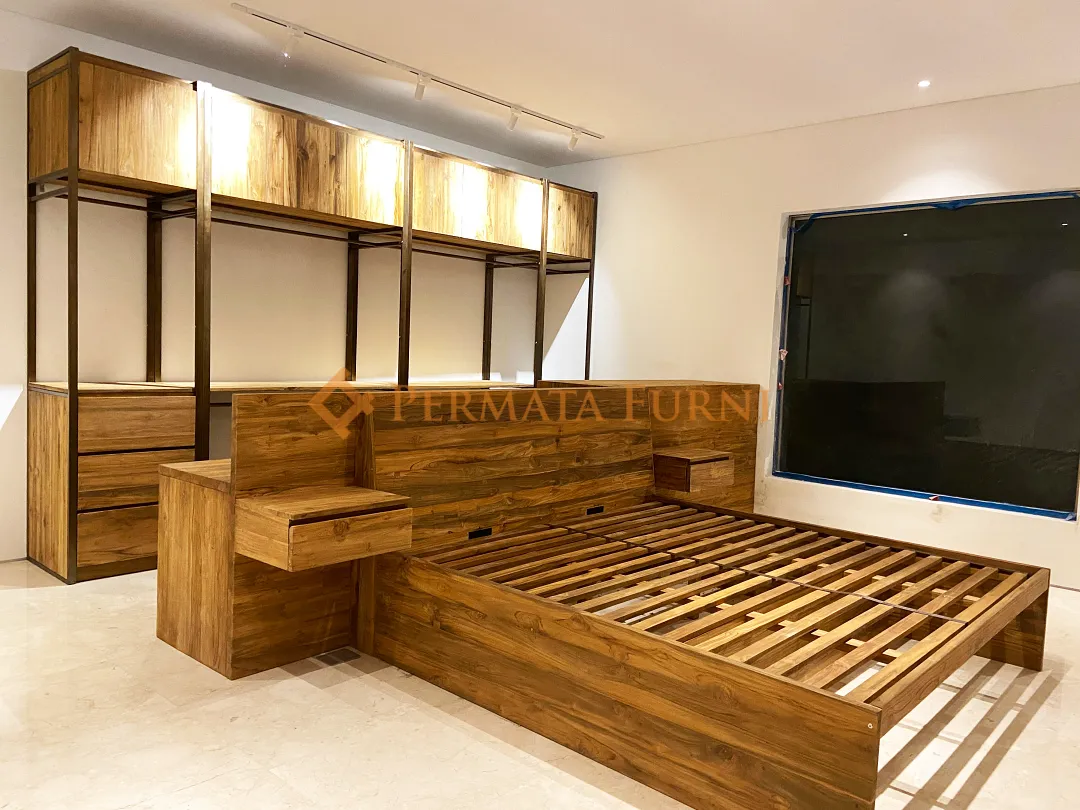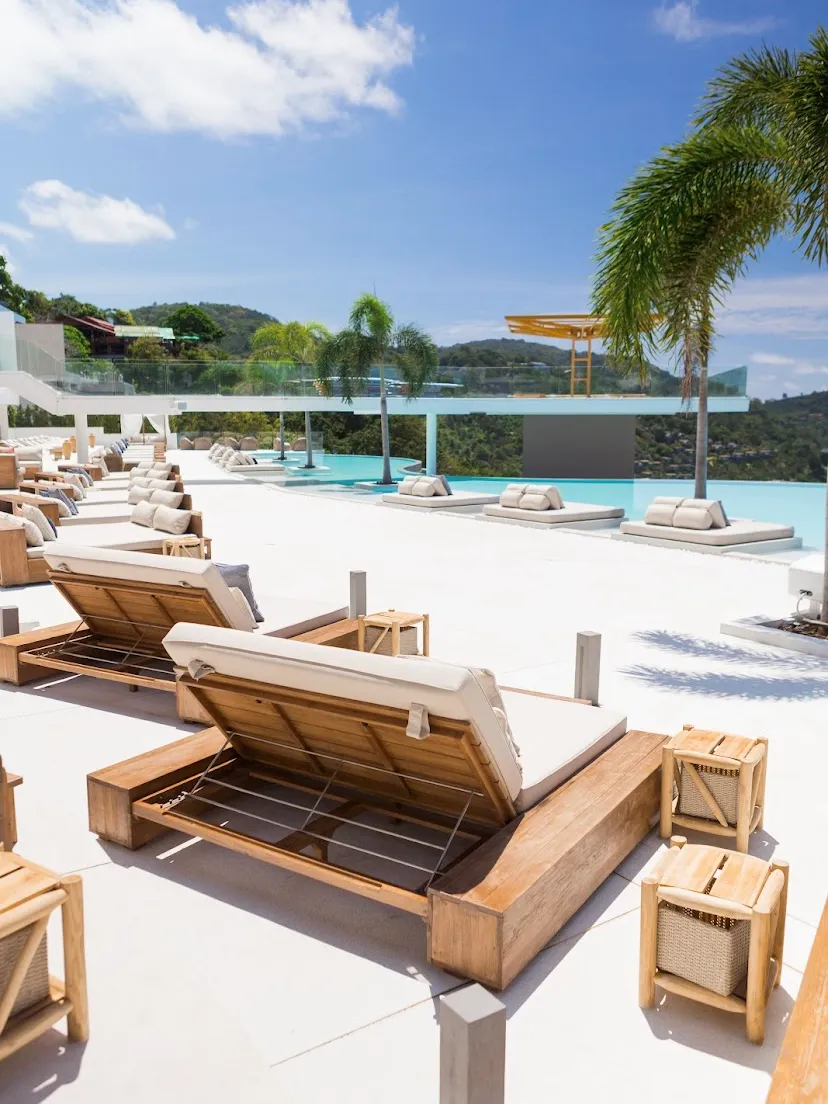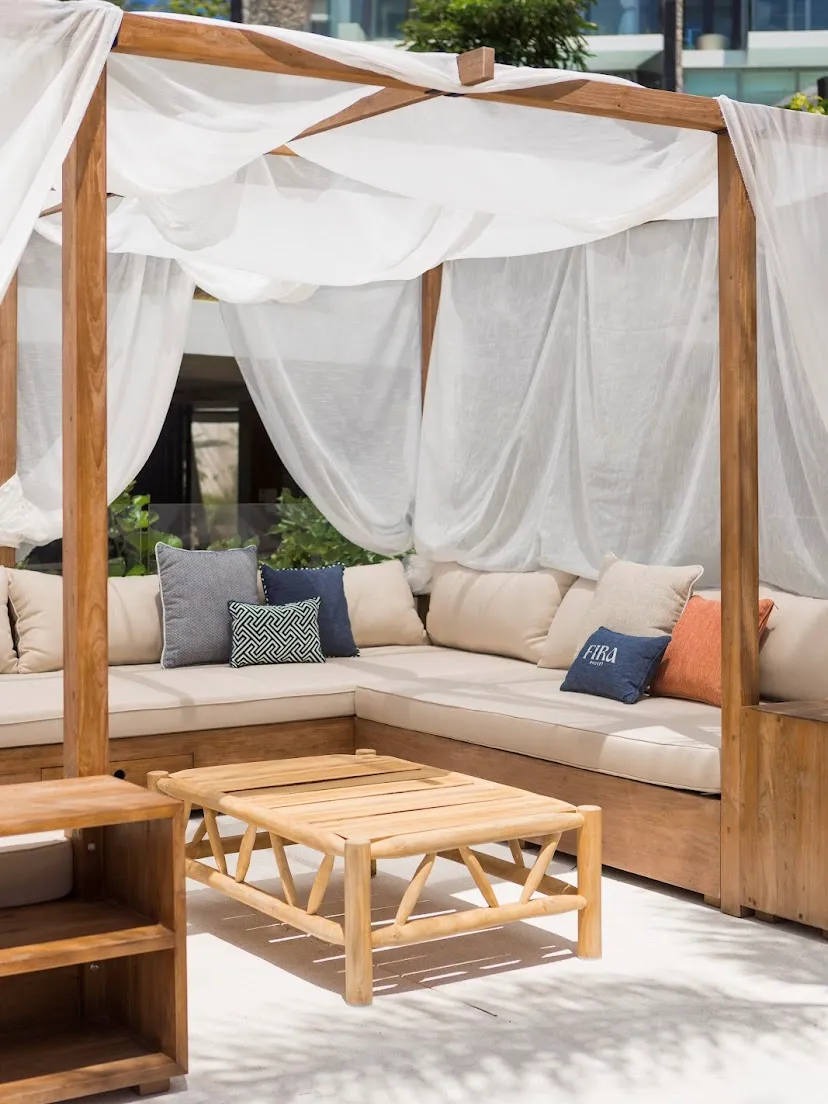


If you import wooden furniture into the United States, a Lacey Act declaration is part of the entry, and it’s one of the first things a customs broker will ask your supplier about. This guide covers what US importers of record file, what information the declaration needs, and how reclaimed teak and mixed-material pieces such as teak-and-rattan chairs fit in. It’s written from the supplier side, so it also says which documents we can provide.
This is not legal advice. We manufacture furniture and don’t advise on customs law. Your customs broker and the USDA’s Animal and Plant Health Inspection Service (APHIS) decide how a specific shipment is treated. Sources are linked at the end, and we checked them on 27 October 2026.
US importers must file a Lacey Act declaration for most plant products, and APHIS lists furniture among the products covered by its Phase VII, which began on 1 December 2024. The declaration names each plant by scientific name and states where it was harvested. It’s filed electronically by the importer of record or their agent.
| Question | Answer from APHIS |
|---|---|
| Who files? | The importer of record, or their agent |
| Where? | ACE (the primary route) or LAWGS (an alternative) |
| Paper forms? | No longer accepted since 1 January 2026 |
| What must you obtain? | The scientific name of each plant product and where the plant was harvested |
That last row is the one that lands on the supplier. A factory that only gives you “teak table” on an invoice hasn’t given you what the declaration needs.
| Item | For our teak furniture |
|---|---|
| Scientific name | Tectona grandis |
| Where harvested | Indonesia. For reclaimed teak, confirm with your broker how to state the original harvest country |
| Quantity and value | From the commercial invoice and packing list |
| Other plant materials | List separately, for example rattan on teak-and-rattan chairs |
Mixed pieces are where importers get caught out. Our teak and rattan chairs contain a second plant material, and a declaration that lists only the teak may be incomplete. Ask your broker how to declare each material, and ask the supplier for a composition statement per SKU.
This is the question we hear most from US buyers, and the honest answer is that we haven’t found an exemption we’d rely on. APHIS’s guidance gives a carve-out for used, recycled or reclaimed wooden products under tariff heading 4415, which covers crates, boxes and similar articles. We haven’t found a matching carve-out for furniture headings. Until your broker confirms otherwise, plan to file a declaration for reclaimed teak furniture just as you would for new teak.
Reclaimed teak does help in one practical way. Because the timber comes from documented, dismantled structures in Java, the species and the original harvest country are easy to evidence from the supplier’s sourcing records. How those records are built is covered in our reclaimed teak sourcing and chain of custody guide.
We provide the composition and sourcing information on request. The standard export paperwork is set out in our guide to importing teak furniture from Indonesia, and our US-facing overview is on the teak outdoor furniture supplier USA page.
Collect the composition statement before you place the order, not when the container is on the water. Our lead times are 30 to 45 days for stock items and 45 to 60 days from sample approval for custom orders, and the sample itself takes 15 to 30 days, which leaves enough time to settle the species and origin details with your broker. For the order process end to end, see OEM outdoor furniture from Indonesia.
Generally yes. APHIS lists furniture among the products covered by Phase VII, which began on 1 December 2024. Your customs broker will confirm how your specific products are treated.
The importer of record or their agent files it electronically, mainly through ACE, with LAWGS as an alternative. APHIS stopped accepting paper submissions on 1 January 2026.
Teak is Tectona grandis. The declaration also needs the country where the plant was harvested, and your supplier should state both in a composition statement.
We have not found an exemption for reclaimed furniture. APHIS guidance carves out used, recycled or reclaimed wooden products under tariff heading 4415, which covers crates and similar articles, but not furniture. Plan to file unless your broker confirms otherwise.
Rattan is a plant material, so ask your broker how to declare it alongside the teak. Ask the supplier for a composition statement that names every plant material in each product.
Shipping to the EU instead? Read our guide to EUDR and teak furniture. Need composition and sourcing documents for a US shipment? Tell us your products through our contact page.



Reclaimed Teak Furniture Manufacturer & Hospitality Furniture Supplier, Indonesia. Sustainably Crafted. Wholesale & Custom Orders Welcome.